About Yen Finder

A live comparison of yen-exchange rates across Japan, built for foreign tourists. Compare each shop against the live mid-market in real time.

Links

  • Tips
  • Map
  • Submit a rate
  • Trip budget calculator
  • JR Pass calculator
  • ATM cost simulator

Site

  • About
  • Privacy
  • Terms
  • Methodology
  • Store owners ✉
© 2026 Yen Finder · nando.llcRates are informational. Confirm at the shop before exchanging.
[Sponsored] This site participates in affiliate programs (Wise, Revolut, etc.). Some links are recommendations we believe in; we may receive a commission when a reader signs up through them. Coverage and rankings are not influenced by these commissions.
HomeMapToolsTipsSubmit
Kyoto matcha, tea ceremony, and wagashi complete guide 2026
← All articles
Yen Finder Editorial (nando LLC) · Last updated: 2026-05-21 · Editorial policy: on-site data & primary sources only
📖5 min read
Y
Yen Finder Editorial
Tokyo-based · operated by nando LLC•Last verified: May 21, 2026
About this site →
SponsoredThis article contains affiliate links. We may earn a commission when you sign up through them, but our recommendations and editorial stance are not influenced by the partnerships.
[Sponsored]

💳 Skip the exchange shop — a Wise card gives you the mid-market rate (−0.5%), typically ¥1,500–3,000 better per ¥30,000.

Get a Wise card free ↗
Contents📖 ~5 min read
  • TL;DR — Kyoto x sadō
  • 1. Kyoto's main tea-culture areas
  • Uji (the home of matcha)
  • Arashiyama (sightseeing + teahouses)
  • Gion and Hanamikoji (traditional ochaya)
  • Karasuma and Sanjo (modern saryō)
  • 2. Tea-ceremony experience courses
  • Short formats (45-90 min)
  • Full courses (120 min+)
  • Matcha + wagashi sets
  • 3. Kyoto's saryō and teahouses
  • Tourist favorites
  • Payment
  • 4. Ochaya asobi (traditional culture experience)
  • What an ochaya is
  • Tourist-accessible packages
  • Cash you need
  • 5. Wagashi culture
  • Long-established Kyoto wagashi shops
  • Wagashi prices
  • Souvenir strategy
  • 6. One-day tea-ceremony + wagashi itineraries
  • Arashiyama half-day
  • Uji full day
  • Kyoto Japanese-sweets crawl
  • 7. Matcha and tea-ceremony shopping
  • Matcha souvenirs
  • Where to buy tea-ceremony tools
  • FAQ
  • Q: Will English work at a tea ceremony?
  • Q: Is kimono + tea ceremony worth it?
  • Q: Can tourists actually go to an ochaya?
  • Q: What tea-ceremony etiquette should I memorize?
  • Q: Matcha allergy options?
  • Related articles
  • Kyoto area
  • By theme
  • By persona
  • Cards and payment

Kyoto matcha, tea ceremony, and wagashi complete guide 2026

⚡ 30-Second Answer: Kyoto tea ceremony experience = ¥3,000-8,000 / person (45-90 min, matcha + wagashi included). Beginner-friendly experiences are 30-50 min with English-speaking hosts, formal ceremonies 90-120 min. Recommended: Omotesenke/Urasenke official schools; tourist-friendly: Arashiyama/Higashiyama experience shops. Matcha souvenirs ¥1,500-5,000, tea ware ¥2,000-15,000. Combine with kimono rental ¥3,000-8,000 for full experience.

Quick Reference Value
Experience/person ¥3,000-8,000
Length 45-90 min
Formal 90-120 min
Matcha souvenir ¥1,500-5,000
Kimono combo +¥3,000-8,000
Last verified June 2026

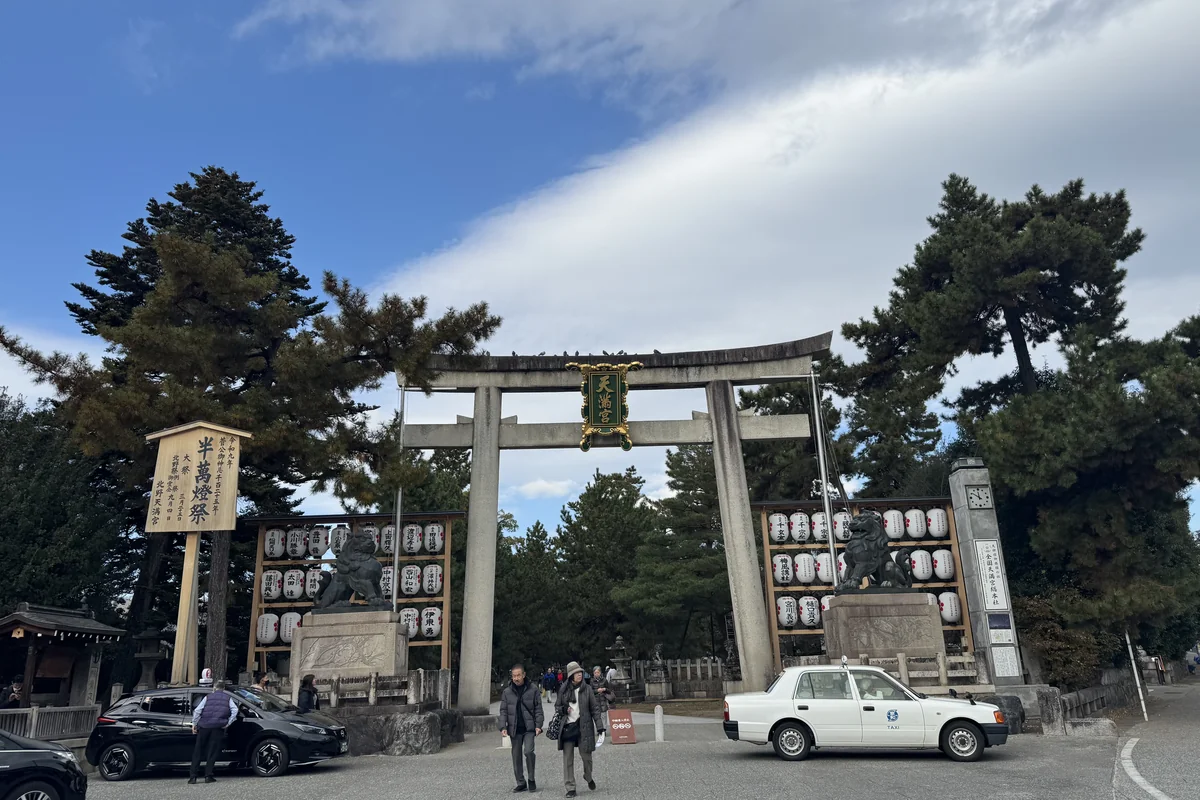
Kitano Tenmangu torii gate — the traditional shrine visit experience that pairs with tea-ceremony culture

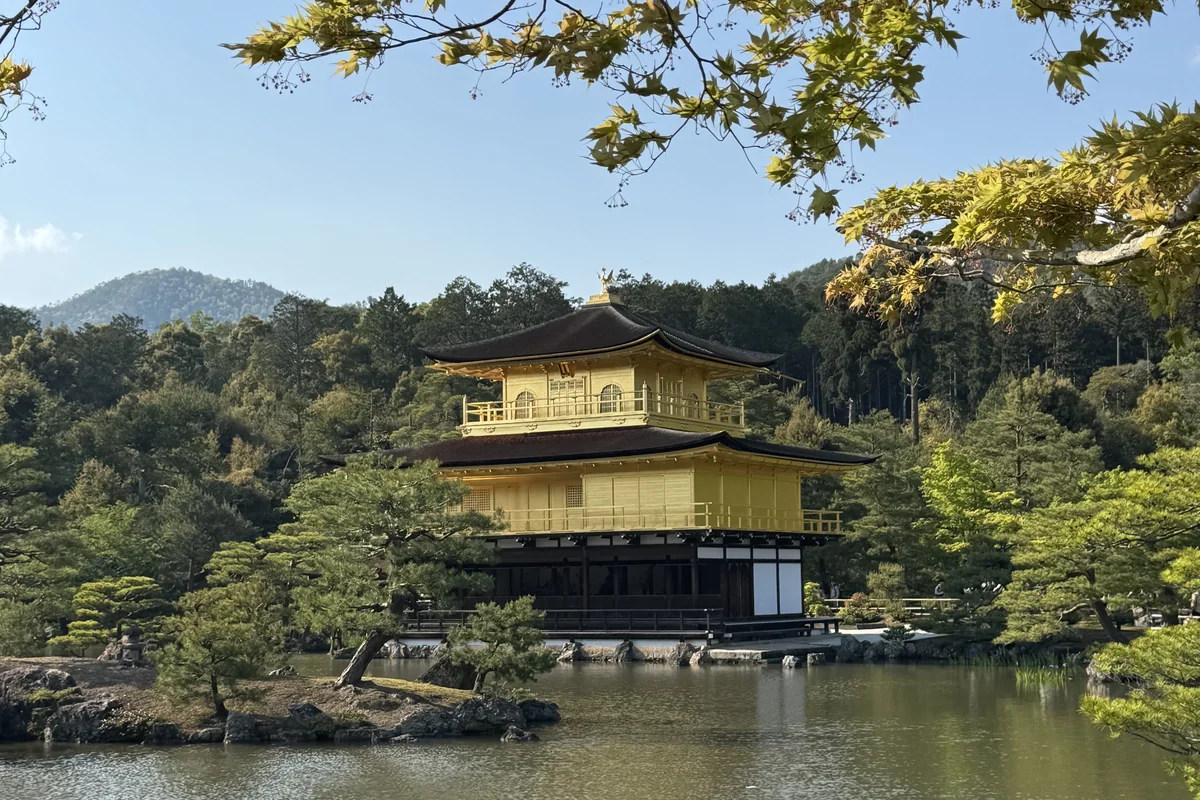
Kinkaku-ji with autumn maple leaves — the iconic combination of Kyoto in fall

The complete Kyoto x sadō (tea ceremony) money + area guide. Kyoto is "the mecca of matcha (powdered green tea), the home of sadō, and the headquarters of wagashi (Japanese sweets)." Price tiers run wide: tea-ceremony experiences ¥3,000-15,000, matcha + wagashi sets ¥800-2,500, ochaya (geisha teahouse) evenings ¥30,000-100,000. Main teahouses and experience courses in Uji, Arashiyama, and Gion on a single page.

TL;DR — Kyoto x sadō

  • Tea-ceremony experience: ¥3,000-15,000 per person (45-120 min)
  • Matcha + wagashi set: ¥800-2,500
  • Ochaya evening: ¥30,000-100,000 per person (traditional arts + meal)
  • Tearooms and saryō (tea salons): 60-70% cash, special experiences need reservations
  • Recommended cards: Wise / Revolut
  • Tea-ceremony bookings: Klook / VELTRA / JTB

1. Kyoto's main tea-culture areas

Uji (the home of matcha)

  • The birthplace of matcha, around Byōdō-in and Uji Shrine
  • Famous for matcha sweets and matcha soba
  • 30 minutes from Kyoto Station by JR

Arashiyama (sightseeing + teahouses)

  • Teahouses around Arashiyama Station: views of Togetsukyo Bridge
  • Tenryū-ji temple-grounds saryō: garden views
  • Pair with the Arashiyama hot springs

Gion and Hanamikoji (traditional ochaya)

  • Kyoto's traditional "ochaya asobi" (often "regulars only")
  • Evenings with maiko and geiko ¥30,000-100,000 per person
  • Official ochaya programs for tourists are also available

Karasuma and Sanjo (modern saryō)

  • Tourist-oriented tea-ceremony schools
  • Wagashi specialty cafes
  • Easy to reach

2. Tea-ceremony experience courses

Short formats (45-90 min)

  • Kyoto tea-ceremony experience: Klook, ¥3,000-6,000 per person
    • Whisk your own matcha + wagashi + photos
    • Some include English interpretation
  • Arashiyama Tenryū-ji on-site saryō experience: ¥2,500-5,000 per person
  • Tea ceremony near Byōdō-in in Uji: ¥3,500-7,000 per person

Full courses (120 min+)

  • Kyoto "Urasenke / Omotesenke school" experience: ¥8,000-15,000 per person
  • Kimono (traditional robe) + tea ceremony set: VELTRA, ¥10,000-25,000 per person
  • Private lesson at a long-established Kyoto saryō: ¥15,000-30,000 per person

Matcha + wagashi sets

  • Casual experiences at "saryō" or "ochadokoro" tearooms
  • ¥800-2,500 per person
  • No reservation needed at most spots

3. Kyoto's saryō and teahouses

Tourist favorites

Saryō Location Specialty Price
Saryo Tsujiri Kodai-ji legendary matcha parfait ¥1,200-2,500
Saryo Kimiya Gion old-school, frequented by maiko ¥2,000-4,000
Nakamura Tokichi Honten Uji matcha soft serve + wagashi ¥1,500-3,500
Itohkyuemon Uji matcha parfait + zenzai ¥1,500-3,000
Karyo Cha-bi Arashiyama Arashiyama garden views + matcha ¥1,800-3,500
TSUJIRI Kyoto Honten Kawaramachi original matcha soft serve ¥800-2,000

Payment

  • Major tourist saryō: 80% cards
  • Old-school small shops: 50% cash
  • ¥3,000-5,000 cash recommended

→ #145 Kyoto money pillar / #42 Kyoto cash strategy


💡 Recommended tools[Sponsored]
  • Get a Wise card ↗

    Mid-market rate −0.5%, no hidden markup. Saves ~¥6,000 on a $1,500 trip.

4. Ochaya asobi (traditional culture experience)

What an ochaya is

  • A traditional hospitality establishment of the hanamachi (geisha districts) since the Edo period
  • Where you invite maiko and geiko to entertain
  • The "regulars only — introductions required" rule is the default
  • Tourists can experience it through official programs

Tourist-accessible packages

  • "Maiko dinner show" (Gion, Miyagawa-cho): ¥30,000-60,000 per person
  • "Ochaya experience": JTB, ¥50,000-100,000 per person
  • Tour plan: ozashiki entertainment + kaiseki + maiko dance

Cash you need

  • Full package: ¥40,000-80,000 per person (paid by card up front, fine)
  • Extras (drinks, gifts): ¥10,000-20,000 cash

5. Wagashi culture

Long-established Kyoto wagashi shops

Shop Location Specialty
Toraya Kyoto + nationwide old-school, famous for yokan
Shihoken Karasuma tea-ceremony wagashi
Suetomi near the Imperial Palace Kyoto's old guard
Tsuruya Hachiman nationwide seasonal wagashi
Kagizen Yoshifusa Gion famous for kuzukiri

Wagashi prices

  • Dorayaki, daifuku: ¥150-500 each
  • Nerikiri (tea-ceremony grade): ¥300-800 each
  • Seasonal items (sakura mochi, kuri yokan, etc.): ¥300-800
  • Gift assortment: ¥1,500-5,000

Souvenir strategy

  • Buy assortments at the depachika (department-store food floor) + 8% off tax-free
  • Last-stop airport tax-free for final purchases

→ #161 Depachika money guide / #88 Tax-free shopping guide


6. One-day tea-ceremony + wagashi itineraries

Arashiyama half-day

  • Morning: arrive at Arashiyama Station, visit Tenryū-ji (¥500)
  • 10:00: matcha + wagashi at a saryō (¥1,500)
  • 11:30: 90-min tea-ceremony experience (¥6,000)
  • 14:00: stroll Arashiyama + Togetsukyo Bridge
  • Total: ¥8,000 per person

Uji full day

  • Morning: visit Byōdō-in (¥600)
  • 10:00: matcha parfait at Nakamura Tokichi Honten (¥2,000)
  • 12:00: matcha soba lunch (¥1,500)
  • 14:00: tea ceremony + kimono (¥15,000)
  • Total: ¥19,100 per person

Kyoto Japanese-sweets crawl

  • Morning: Tsujiri Kodai-ji (¥2,000)
  • Lunch: Kagizen Yoshifusa kuzukiri (¥1,500)
  • Afternoon: Saryo Kimiya (¥3,000)
  • Evening: TSUJIRI matcha soft serve (¥800)
  • Total: ¥7,300 per person

→ #103 Arashiyama money guide


7. Matcha and tea-ceremony shopping

Matcha souvenirs

  • Matcha powder: ¥800-3,500 per tin
  • Wagashi + matcha gift set: ¥3,000-8,000
  • Chawan (tea bowl), chasen (bamboo whisk): ¥3,000-15,000
  • Kimono and obi (sash): ¥10,000-100,000

Where to buy tea-ceremony tools

  • Specialist tea-tool shops in Kyoto city
  • "Fujii Bunseido," "Kameya Yoshinaga," and other old guards
  • Online purchase is also possible

FAQ

Q: Will English work at a tea ceremony?

A: Tourist-oriented experiences widely include English guides. Confirm "English interpretation" when booking via Klook / VELTRA.

Q: Is kimono + tea ceremony worth it?

A: Kimono rental + tea ceremony set ¥10,000-25,000 per person for 4-5 hours of activity — excellent value.

Q: Can tourists actually go to an ochaya?

A: Yes, via tourist packages. A traditional "regulars only" ochaya can't be entered without an introduction.

Q: What tea-ceremony etiquette should I memorize?

A: "Itadakimasu" and "gochisousama," and rotate the tea bowl twice. The rules go deep, but tourist sessions walk you through them.

Q: Matcha allergy options?

A: Hojicha (roasted green tea) and genmaicha (rice tea) are common substitutes. Flag any matcha allergy in advance.


Related articles

Kyoto area

  • #145 Kyoto money pillar
  • #42 Kyoto cash strategy
  • #103 Arashiyama money guide
  • #102 Kyoto Station money guide

By theme

  • #172 Shrine and temple touring money guide
  • #171 Onsen travel money guide

By persona

  • #165 Couples / honeymoon money guide
  • #166 Seniors and multi-generation money guide

Cards and payment

  • #15 Wise vs Revolut vs bank cards
  • #137 The best card for Japan travel 2026

Last verified: 2026-05-21. Check live rates at the Yen Finder home page.

💡 Recommended tools[Sponsored]
  • Get a Wise card ↗

    Mid-market rate −0.5%, no hidden markup. Saves ~¥6,000 on a $1,500 trip.

  • Get a Revolut card ↗

    Zero FX inside the monthly free allowance. Best for short trips.

  • Book on JTB ↗

    Japan's largest established travel agency. One-stop for domestic hotels and bundled tours — a recognised name for inbound tourists.

  • Book on Klook ↗

    Pre-book JR passes, theme-park tickets, and tours. Skip the ticket-counter queues on arrival.

  • Book on KKday ↗

    Taiwan-based Asia tourism marketplace. Compare prices side-by-side with Klook for JR Pass, USJ, onsen, and experience tours.

  • Book a tour on VELTRA ↗

    Local optional tour and activity booking site. Strong catalogue for inbound visitors — Mt Fuji day-trips, tea ceremony, sushi-making, kabuki tickets.

  • Order Sakura Mobile SIM ↗

    Japan SIM with a local phone number. English support — handy for restaurant bookings or host calls.

  • Get an Airalo eSIM ↗

    eSIM marketplace covering 200+ countries. Japan plans from ~$10 for a week. Install before you fly.

  • Rent a kimono at wargo ↗

    Branches in Kyoto Gion, Asakusa, Kanazawa, and Kamakura. From around ¥3,000 with dressing + hair styling included — drop your bags, walk in, change out, return same-day.

Related articles

  • Kyoto money guide 2026 — temples, ryokan, markets cash reality and exchange
    Kyoto money guide 2026 — temples, ryokan, markets cash reality and exchange ⚡ 30-Second Answer: Kyoto = Kansai's historic capital, with 81% card acceptance (av
  • Kyoto cash strategy 2026: where to exchange yen and how much to carry for temples
    Kyoto cash strategy 2026: where to exchange yen and how much to carry for temples ⚡ 30-Second Answer: Kyoto = sites accept cards but shrines/small shops need c
  • Cash vs card in Japan in 2026: which actually gives you more yen?
    Cash vs card in Japan in 2026: which actually gives you more yen? ⚡ 30-Second Answer: The "cash ¥20,000-30,000 + Wise/Revolut card" hybrid is the gold standard
  • Japan Honeymoon Budget 2026: What a Couple Really Spends (+ Saving Tips)
    Couple / honeymoon Japan money guide 2026 ⚡ 30-Second Answer: Couples Japan trip = 2 people 10 days ¥600K-1.2M. Honeymoon style: 2-3 nights at upscale Kyoto ry
  • Senior / multi-generation Japan travel money guide 2026
    Senior / multi-generation Japan travel money guide 2026 ⚡ 30-Second Answer: Senior travel = 60-80s, 14 days ¥300-600K. "Plenty of time + body-pace + senior dis
  • Osaka takoyaki, okonomiyaki, and kushikatsu complete guide 2026
    Osaka takoyaki, okonomiyaki, and kushikatsu complete guide 2026 ⚡ 30-Second Answer: Osaka takoyaki = ¥500-1,500 per plate (6-12 balls), stall + specialty shop

Subscribe to the weekly digest (free, unsubscribe anytime).

Email used for the newsletter only. Never shared.

Last verified: 2026-05-21