Cash vs card in Japan in 2026: which actually gives you more yen?
⚡ 30-Second Answer: The "cash ¥20,000-30,000 + Wise/Revolut card" hybrid is the gold standard. Card works at 92% urban / 60% rural spots, but street stalls, shrine offerings, rural taxis, old ticket machines need cash. Card-only fails rural, cash-only is heavy + theft risk. The 3-layer combo — Wise + Suica (iPhone) + ¥20K cash — is unbeatable.
Quick Reference
Value
Urban card acceptance
92%
Rural card acceptance
60%
Recommended cash
¥20,000-30,000
Best card
Wise / Revolut (mid −0.5% + ATM fee)
Suica handles
Konbini, trains, vending
Last verified
June 2026
📖7 min read
SponsoredThis article contains affiliate links. We may earn a commission when you sign up through them, but our recommendations and editorial stance are not influenced by the partnerships.
Contents📖 ~8 min read
Cards now work for roughly 80% of urban transactions in Japan, and a
no-foreign-fee travel card often matches or beats a typical cash
exchange on rate while being far more predictable. But
the country still has cash-only restaurants, cash-required traditional
ryokan deposits, festival-day food stalls, and rural train stations —
which is why a savvy traveler carries both. This guide shows where each
one wins, what you actually save, and the cash-vs-card split that fits a
typical Tokyo + Kyoto + Osaka trip.
TL;DR
In central Tokyo, 80% of restaurants and 95% of major retailers
accept cards, including Visa, Mastercard, JCB, Amex, and UnionPay.
A no-foreign-fee card paid in JPY (never the dynamic-currency
prompt) carries a small, published spread (about −0.5% for travel
cards) and is the most predictable option.
Carry ¥10,000–¥20,000 in cash as a buffer — for taxis in some
neighborhoods, family-run restaurants, shrine offerings, festival
food, and rural transit.
Where do cards work in Japan in 2026?
Card acceptance has changed faster than guidebooks have been updated.
The 2019 government push for cashless payments, the 2020 Olympics
preparations, and the post-COVID adoption of QR systems mean the
landscape today is far more card-friendly than even three years ago.
You can confidently use a card at:
All major hotel chains and 90%+ of mid-size hotels
Department stores, shopping malls, and tax-free retailers
Major restaurants, chains, and most Western/foreign-cuisine places
All JR ticket counters and ticket machines for tourist passes
Most museums, attractions, and Disney/USJ
Taxis in Tokyo, Osaka, Kyoto, Yokohama, Fukuoka, Sapporo
All Apple Stores and most large electronics retailers
You'll need cash at:
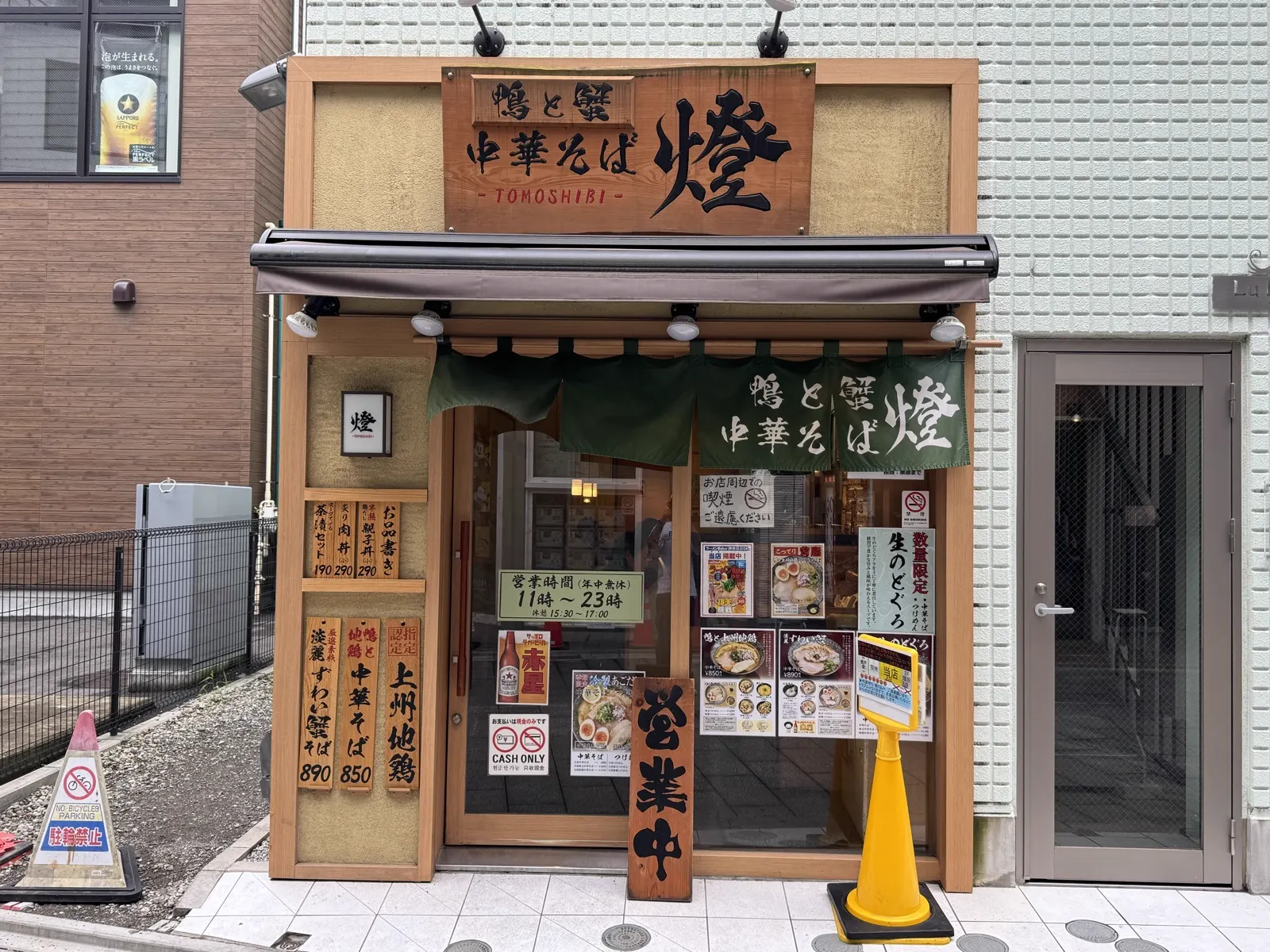
Family-run izakaya, ramen shops, and small restaurants in residential
neighborhoods
Some traditional ryokan (especially the deposit at check-in)
Shrine donations, fortune slips, and small souvenirs at temples
Festival food stalls (matsuri yatai)
Rural buses, ferries, and the smallest train lines
Some specialty markets (e.g., parts of Tsukiji Outer Market)
Cash-only sushi counters (most omakase places at the high end)
The bottom line: in Tokyo's 23 wards, 84% of Visa
transactions in 2025 happened at small merchants — five years earlier
that figure was 41%, according to
Visa Japan's annual report.
Which option gives you a better exchange rate?
Both cash exchange and card payment ultimately convert your home
currency to yen — the question is at what rate. Rates below are
indicative spreads against the mid-market rate; they move daily, so
check the live rate before you commit (on Yen Finder, World Currency
Shop is the one downtown operator whose board we live-track).
Method
Typical spread vs mid-market
Mid-market rate (BOJ reference)
—
Travel card (Wise/Revolut) paying in JPY
about −0.5% (published fee)
Travel-card cash withdrawal at Seven Bank ATM
about −0.5% + ~¥220 ATM fee
Major credit card (no FX fee) paying in JPY
roughly −1% to −2%
Downtown Tokyo cash exchange counter
roughly −1% to −2.5%, varies by shop & day
Bank-counter cash exchange
roughly −2% to −3%
Standard credit card (3% FX fee)
roughly −3% or worse
Hotel front-desk cash exchange
roughly −4% to −7%
Two clear conclusions:
A no-fee travel card paying in JPY is the most predictable option
— its spread is a published fee (about −0.5%), so you always know
what you're getting. A good downtown cash counter can land in a
similar ballpark on a strong day, but only if you walk to the right
shop, and a cash buy rate can never beat the mid-market rate.
A credit card with foreign-transaction fees is the worst option
that's still legal. A 3% fee plus a worse base rate is a meaningful
drag versus a no-FX-fee card.
What's "dynamic currency conversion" and why should I avoid it?
Some Japanese card terminals will ask: "Pay in JPY or in USD?" —
this is dynamic currency conversion (DCC). Always tap JPY.
The "USD" option converts the bill at a rate set by the merchant's
acquiring bank, typically with a 5–8% markup baked in. Choosing
JPY lets your own card network (Visa, Mastercard, etc.) handle the
conversion at near-mid-market rates.
Why this matters: DCC costs the average traveler
¥1,000–¥4,000 per international purchase. There is never a scenario
where DCC is better than paying in JPY.
This applies to ATMs too. When a Seven Bank ATM asks "Pay in your home
currency?" — say no.
What's the right cash-vs-card split for a Japan trip?
For a typical 7-day trip with a mix of Tokyo, Kyoto, and Osaka:
Trip style
Cash
Card-paid items
City-only, hotel-heavy
¥10,000–¥15,000
Hotels, restaurants, transit IC cards, museums, shopping
City + day trips
¥15,000–¥25,000
Same as above + day-trip food and small attractions
Mixed urban + rural ryokan
¥30,000–¥50,000
Hotels and chains; cash for ryokan deposits, rural transit, festival food
Rural / festival-heavy
¥50,000+
Card for accommodations and major chains; cash for almost everything else
Tip: withdraw cash in two passes (e.g., ¥15,000 on day 1, another
¥15,000 mid-trip) instead of one large lump. ATM fees are flat, so a
single ¥30,000 withdrawal is the same fee as ¥15,000 — but you carry
less risk and your card stays active for fraud detection.
Are IC cards (Suica/Pasmo) replacing cash or cards?
Both, in their own niche. IC cards like
Suica and
Pasmo work for:
All Tokyo trains, metros, and most buses
Most convenience stores and vending machines
Many small shops in tourist areas
You load yen onto the IC card (with cash or a foreign card at a
station vending machine), then tap to pay. For amounts under ¥1,000,
IC cards beat both cash and credit cards on convenience and almost
match cards on cost (the IC card itself is loaded at mid-market rate
when you use a no-FX-fee card to top up).
Adding Suica to your iPhone
takes 5 minutes and works without a Japanese ID — see article #74 for
the full walkthrough.
What this means for your trip
✅ Bring a no-foreign-fee card as your primary payment method.
Wise, Revolut, and
some Capital One / Schwab / Charles Schwab cards qualify.
✅ Carry ¥10,000–¥20,000 cash as a buffer for the 20% of
situations cards won't handle.
✅ Top up an IC card (Suica or Pasmo) for sub-¥1,000 transactions
— restaurants, vending machines, transit.
✅ Always pay in JPY, never in your home currency, when the
terminal asks.
⚠️ Standard credit cards with FX fees (most US bank-issued cards)
are 3% more expensive than necessary — switch before you fly.
⚠️ Hotel front-desk currency exchange is the worst rate in Japan
and should be a last resort.
Frequently asked questions
Are American Express and Discover accepted in Japan?
American Express is accepted at most large retailers but rejected at
many small restaurants. Discover is accepted via the
Discover-JCB partnership
at ~30 million Japanese merchants — bring it as a backup, not a
primary card.
Does Apple Pay / Google Pay work in Japan?
Yes for IC card top-ups (Suica/Pasmo via Apple Wallet) and for
contactless terminals at convenience stores and major chains. Many
small Japanese restaurants don't accept tap payments yet — check for
the contactless symbol before you order.
Will my Visa/Mastercard work at Japanese ATMs?
Yes at 7-Eleven Seven Bank ATMs,
Japan Post ATMs, and some Aeon Bank ATMs. Most regional bank ATMs
reject foreign cards.
What if a small restaurant's card terminal "doesn't work"?
Sometimes the staff isn't trained on foreign cards rather than the
card actually being declined. Ask politely if they can try once more,
or pull out cash. In the rare case of a real decline, your card may
need an unblock — text your bank's international support number.
Can I use my home-country mobile wallet (e.g., Venmo, Alipay)?
Venmo / Cash App / Zelle: no, these are US-only.
Alipay / WeChat Pay: yes at many tourist-frequented merchants
(Don Quijote, Bic Camera, major chains) — see article #56 for
Chinese-tourist-specific guidance.
Apple Pay / Google Pay: partially, see above.
Should I worry about pickpockets or fraud?
Tokyo and most of Japan have very low crime rates by international
standards. Card fraud is rare and contactless skimming is essentially
non-existent. Standard precautions still apply, especially in
nightlife districts.
See live rates before you exchange
Open Yen Finder → Settings → tap your home currency. The
Home tab will show the live mid-market rate against every nearby
exchange shop, and the Tips tab links you to today's recommended
no-FX-fee cards for your country (article #66 for Wise, #67 for
Revolut, #69 for JCB-network cards).
Last verified 2026-05-07. Card acceptance and IC card features are
expanding monthly; Yen Finder's Tips section is updated whenever a
major change ships.