Japan Industrial Nightscape Complete Guide 2026 — Kawasaki, Yokkaichi, Shunan: The Cyberpunk Views Tourists Are Discovering
⚡ 30-Second Answer: Japan industrial nightscape Top 4: ①Kawasaki (30 min from Tokyo, night cruise ¥2,500-4,000) ②Yokkaichi (1h from Nagoya, taxi essential) ③Shunan (2h from Hiroshima, sightseeing boat ¥3,500) ④Kitakyushu (1h from Fukuoka, ropeway). Camera tripod essential, night-tour reservation recommended, ¥3-10K/person.
Quick Reference
Value
Top 4 spots
Kawasaki/Yokkaichi/Shunan/Kitakyushu
Kawasaki tour
¥2,500-4,000
Required
Camera tripod
Budget
¥3-10K/person
Kawasaki access
30 min from Tokyo
Last verified
June 2026
✓ Last verified: Jun 2026
📖8 min read
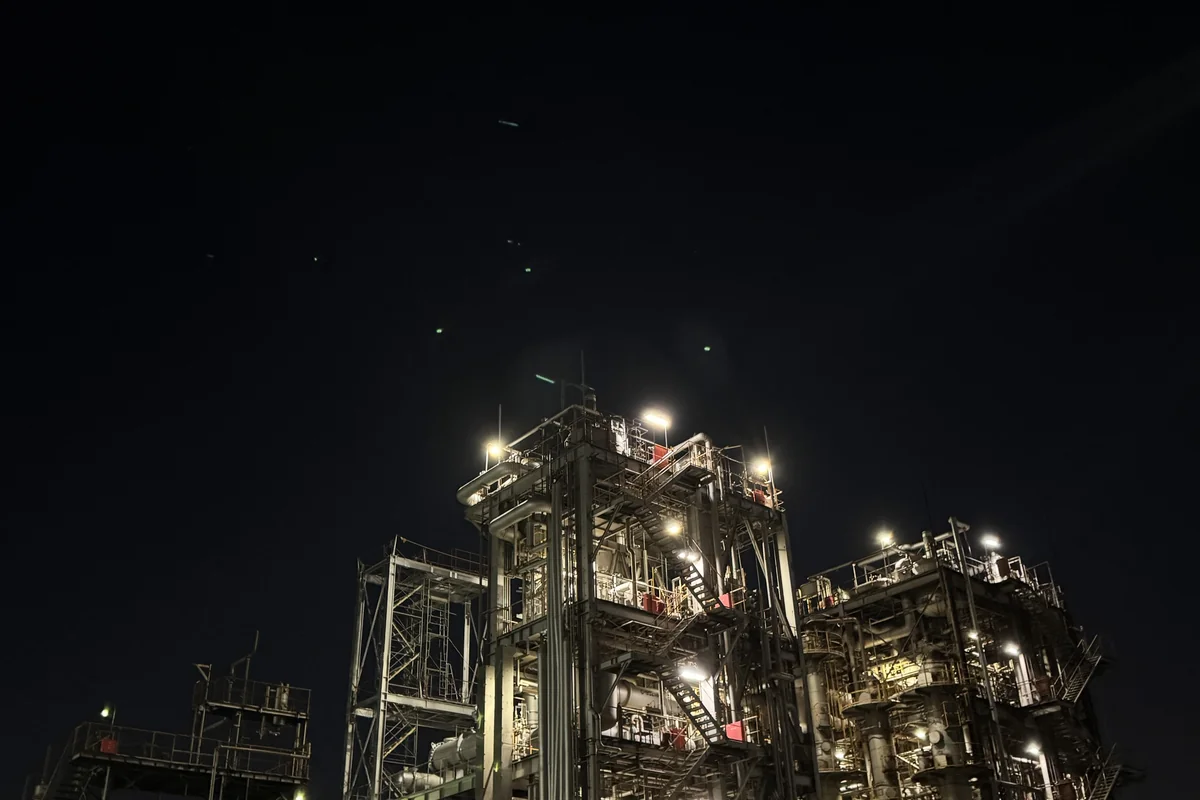
Photo: Yen Finder Editorial, Kawasaki 2026
SponsoredThis article contains affiliate links. We may earn a commission when you sign up through them, but our recommendations and editorial stance are not influenced by the partnerships.
Contents📖 ~9 min read
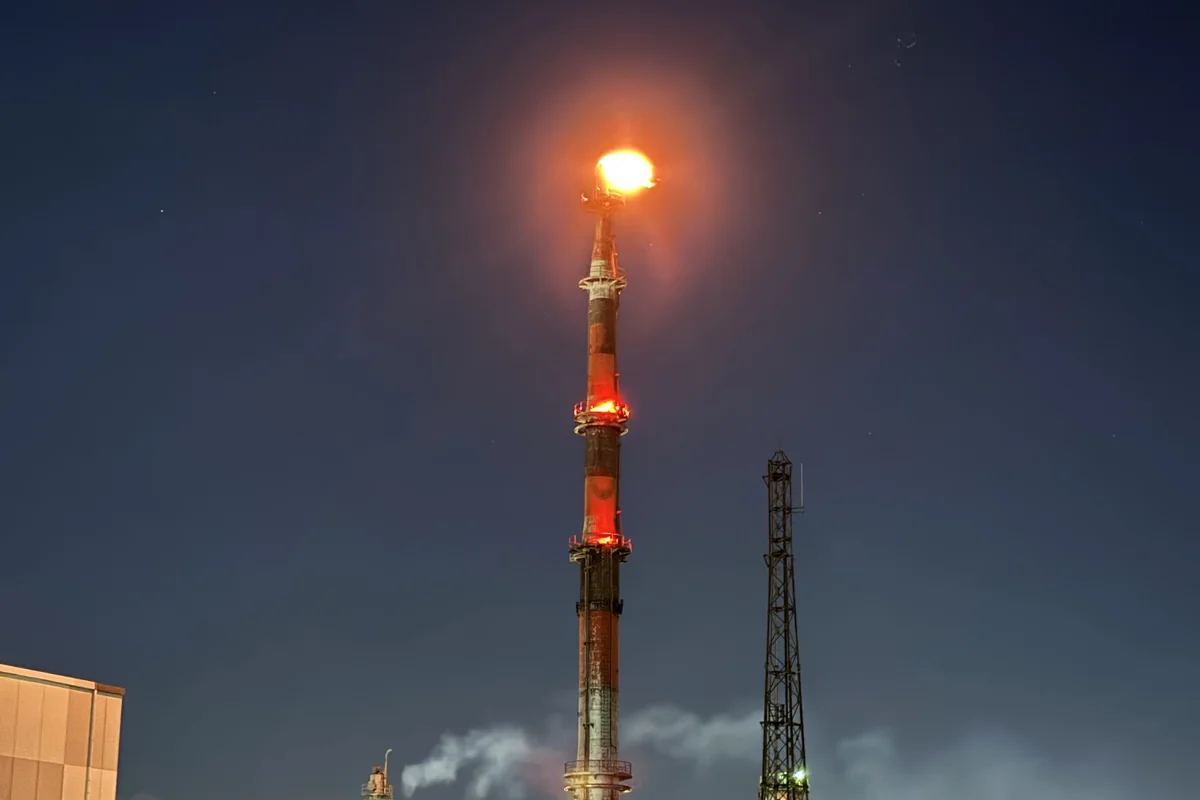
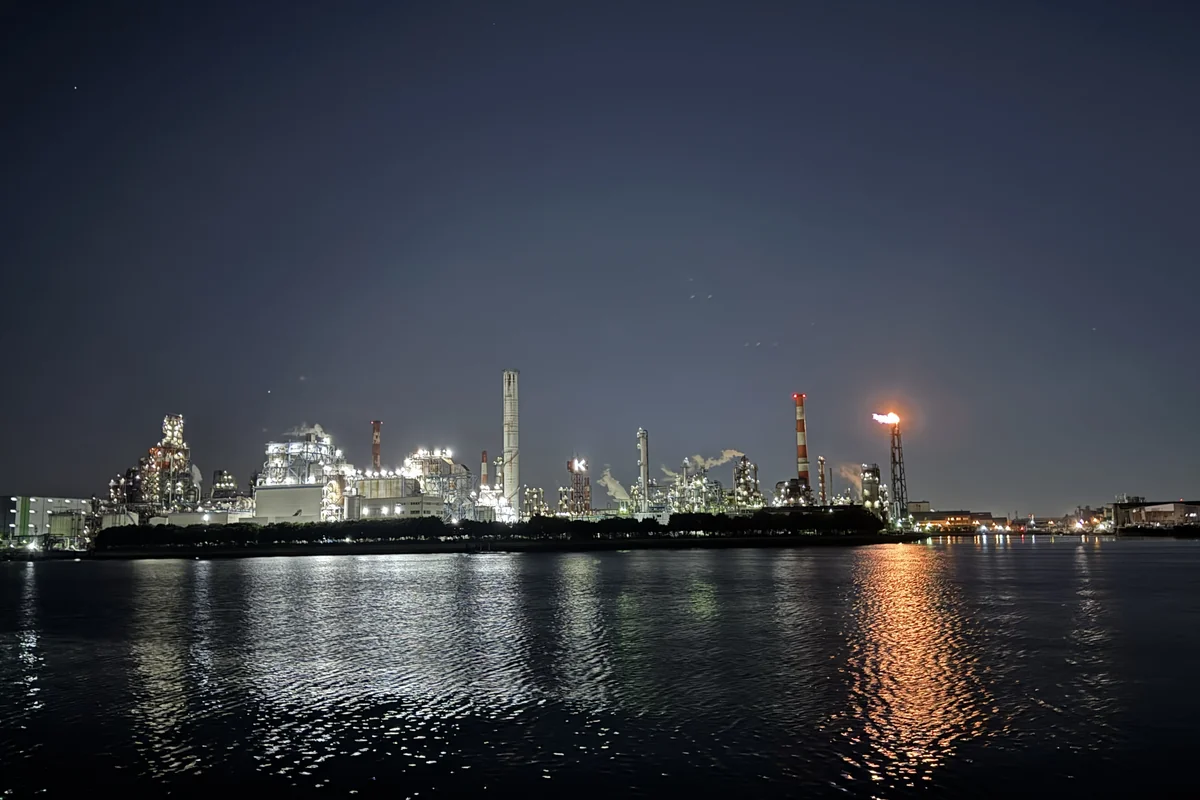
"I want to see Blade Runner or Cyberpunk 2077 in real life." That's the quiet wish driving a new wave of overseas travelers toward Japan's industrial nightscape spots. Petrochemical complexes lit up like cities of their own, with flare stacks (the stacks crowned by red flame) burning against the night sky — it's the kind of scene most people assume only exists in sci-fi, until they stand in front of one. Tourist density is close to zero, and the footage explodes on Instagram and TikTok.
This guide compares the three major factory nightscape spots reachable from Tokyo, Nagoya, and Osaka, broken down by access, budget, shooting difficulty, and tour booking. If you want the real off-beat Japan that almost never shows up in guidebooks, this is how to do it.
TL;DR — The Three Major Industrial Nightscape Spots
Spot
City base
Travel time
Best season
Daily budget per person
Kawasaki Factory Nightscape (Kanagawa)
Tokyo Station
30 min
Nov–Feb
¥6,000–12,000
Yokkaichi Petrochemical Complex (Mie)
Nagoya Station
50 min
Oct–Mar
¥7,000–12,000
Shunan Factory Nightscape (Yamaguchi)
Hiroshima Station
70 min
Oct–Mar
¥7,000–13,000
💡 Currency note: ¥10,000 per day works out to roughly $63 at 1 USD = 158 JPY. Equivalent guided experiences in the US or Europe run $150–300, so you're getting a world-class view at one-third to one-fifth of the price.
What "the Big Three" Means
Japan has a number of cities officially recognized as "factory nightscape cities." The three most tour-developed are Kawasaki, Yokkaichi, and Shunan. The National Industrial Nightscape Cities Association drives the certification and tourism push, and official municipal cruise boats and bus tours run on the back of it.
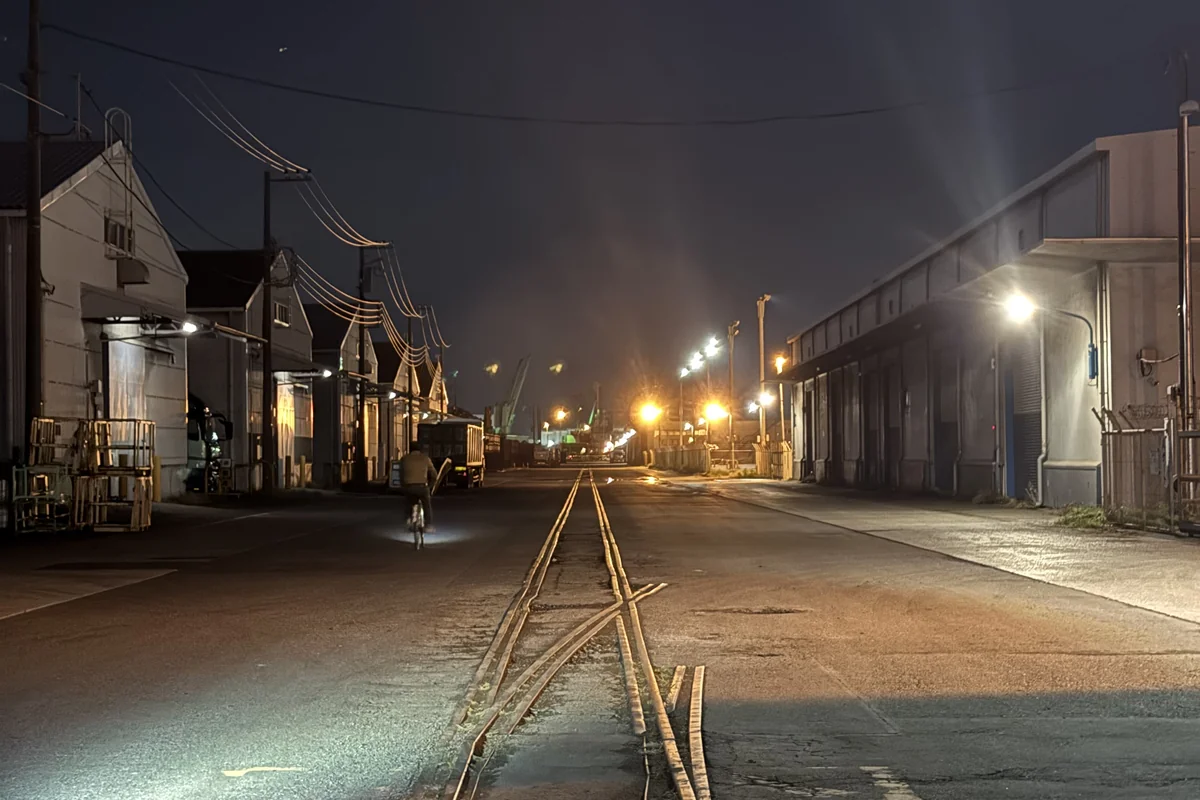
⚠️ Important: Industrial nightscapes are private petrochemical and steel-mill property, with extensive no-entry zones. Only shoot from public roads, public parks, designated viewing spots, or tour boats. Trespassing on plant property is a legal problem.
Axis ① Access (from Tokyo / Nagoya / Osaka)
Origin
Spot
Route
Travel time
Tokyo
Kawasaki Factory Nightscape
JR Keihin-Tohoku Line → Kawasaki Station
~30 min
Tokyo
Yokkaichi Complex
Tokaido Shinkansen → Nagoya → Kansai Line
~2.5 hr
Nagoya
Yokkaichi Complex
JR Kansai Line → Yokkaichi Station
~50 min
Osaka
Shunan Factory Nightscape
Sanyo Shinkansen → Tokuyama Station
~90 min
Hiroshima
Shunan Factory Nightscape
Sanyo Shinkansen → Tokuyama Station
~35 min
Day trip from Tokyo = Kawasaki. Based in Kansai = Yokkaichi or Shunan. Tacking it onto a Hiroshima trip = Shunan. Those are the realistic combinations.
Axis ② Tour Types and Pricing
There are basically three ways to do this:
Tour type
Price range
Pros
Cons
Cruise boat (from the water)
¥5,500–9,000
360° angles, maximum impact
Reservations required, limited sailing days
Bus tour (major viewing spots)
¥3,500–6,000
Guided commentary, efficient
Limited shooting time per stop
Self-drive rental car
¥4,000–8,000 (incl. car)
Set your own pace
You drive, and you need to know the parking
🛥 The cruise boat wins, hands down
For a first visit, take the cruise boat. There are framings you can only get from the water looking up, and the proximity to the plants is on another level. Tours run about 90–120 minutes, with staff who narrate and point out the shooting spots.
Main operators per spot
⚠️ Operators and schedules change. Always confirm current details on the local tourism association's official site before you go.
Kawasaki: "Kawasaki Factory Nightscape Yakatabune Cruise," "Kawasaki Factory Nightscape Cruise," and others. Sometimes bookable via Klook / KKday.
Yokkaichi: "Yokkaichi Port Nightscape Cruise" is the headliner. Book through the city tourism association's official site.
Shunan: "Shunan Factory Nightscape Cruise" is the main one. Book through the Yamaguchi prefectural tourism association's official site.
Axis ③ Best Season and Time
Factor
Recommendation
Why
Season
November–February
Clear air, sharper light, smoke and steam read better
Time
19:00–21:00
Full darkness + plants running hot
Day of week
Weekdays preferred
Cruises and viewing spots are quieter
Weather
Clear or thin overcast
Rain kills the shot, strong wind cancels cruises
Moon phase
Around new moon
Stars come through, no moonlight wash
🔥 Hunting the flare stack (the red flame)
The red flame rising from the top of a plant — the flare stack — is the moment a plant is safely burning off surplus gas.When it fires is unpredictable, depending on what the plant is doing. It tends to happen more often in cold weather, which is why people say the November–February window has the higher hit rate.
The "Night mode" on iPhone 14 Pro and later has reached a point where shots that used to need pro gear are now within reach of anyone. Handheld, 3-second exposure, and the flare stack flame comes through clearly. Push it further with RAW mode + Lightroom, and you've got something Instagram actually rewards.
Axis ⑤ Nearby Food and Lodging
Spot
Food
Lodging
Kawasaki
Plenty of chains right by Kawasaki Station (Yoshinoya, Matsuya, Saizeriya, CoCo Ichibanya, etc.)
Many hotels attached to Kawasaki Station; day-trippable from Tokyo
Yokkaichi
Modest scene around Yokkaichi Station: convenience stores plus local set-meal shops
Business hotels near the station ¥6,000–10,000; day-trippable from Nagoya
Shunan (Tokuyama)
Sparse around Tokuyama Station: mostly in-station shops plus convenience stores
Hotels near Tokuyama Station ¥7,000–12,000; day-trippable from Hiroshima
+α Five Things You Should Absolutely Know
1. The plant interior is strictly off-limits
Some of the "underground photo spots" floating around social media are in legally off-limits zones. If you see a fence, a sign, or barbed wire, do not cross it.Security guards intervening, or worse, the police getting involved — these things actually happen.
2. The smell depends on which way the wind is blowing
That distinctive chemical-plant smell comes down to wind direction. Check the wind on Windy in advance and route yourself out of the downwind side — it makes a real difference to how pleasant the night feels.
3. Book cruises at least a week in advance
Weekends and the winter peak (December–January) sell out.As soon as your Japan plans are set, book.Cancellations do open up, but counting on a same-day spot is rough.
4. It is cold. Properly cold.
On a November–February cruise on the water you're at -5°C wind-chill territory.Down jacket, scarf, gloves, ear warmers — non-negotiable. Toss in hand warmers so your fingers still work, and your photos will thank you.
5. For anything that isn't an official tour, scout it first
Local photo hobbyists post their own spots online — before you go, open Google Maps and confirm the exact pin is on a public road. Shoot through the fence, never over it.
Three Mistakes Tourists Keep Making
Shooting from inside a no-entry zone: A guard or a cop intervenes and the night is wrecked. "Official viewing spot," "public road," or "from the cruise only" — that's the rule.
Staying out too late (past 22:30): Public transport is at or past its last train, and you can't get home. Even the last cruise usually ends by 21:00, so plan to wrap by 22:00.
Handheld in the dark with no tripod: A DSLR needs a 30-second exposure. Camera shake will blur every frame, and you'll regret it. Bring at minimum a mini tripod plus a Bluetooth remote.
A Quiet Boom Overseas
Search volume for terms like "Japanese factory nightscape" and "Kawasaki industrial cruise" has climbed sharply since 2024 (per Google Trends). The crossover with TikTok's Cyberpunk tag is huge, and single videos clearing a million views are not unusual.
It's quietly climbing the bucket lists of overseas travelers. Repeat visitors who are done with Tokyo and Kyoto's greatest hits are increasingly picking industrial nightscapes as "where I'm going next in Japan." Right now, this is the hot category.
A: On a cruise, solo is totally fine.If you're shooting on your own from public roads, keep in mind the industrial zones at night are extremely empty of foot traffic — make sure your phone is charged, you've got a power bank, and you've thought about the taxi back. Late-night solo shooting is not recommended for women.
Q: Can I bring kids?
A: Cruises are fine with kids, but November–February gets brutally cold for them. The milder cruise windows in April–May or September–October work better as a family trip.
Q: What if it rains?
A: Cruises usually cancel (strong wind / heavy rain). Some operators offer rebooking, so check at the time of reservation. Bus tours still run in the rain, but shooting through glass kills the impact.
Q: Can I really shoot this with just a phone?
A: iPhone 14 Pro and newer, definitely yes. Galaxy S23 and up, Pixel 8 and up, no problem either. Turn on Night mode, brace it on a tripod or a stable railing, and you're set.
Q: Is it okay to post the photos on social media?
A: Personal photos on social media are generally fine, but go light on captions that call out specific plant or company names. Anything shot on an official tourism-association tour is no problem. For commercial use, you need to check with the plant operator directly.
About: Yen Finder Editorial / Shot 2026 / Last verified 2026-06-02. Cruise and bus tour prices are reference figures based on operators' official sites. Sailing schedules and cancellation policies are subject to change. Always confirm final pricing and schedules on the official sites.