Why so many shops in Japan are still cash-only in 2026
⚡ 30-Second Answer: Cash-only situations in Japan: ①owner-run small shops ②street stalls + shrine offerings ③rural taxis ④old ticket machines ⑤coin lockers ⑥sentō (public baths) ⑦temple entry fees. ¥20,000-30,000 cash + Wise/Revolut card hybrid is safe. "Cash Only" signs are clearly decreasing, but coin-payment scenes remain common. Suica/PASMO coverage is rising fast.
Quick Reference
Value
Cash to carry
¥20,000-30,000
Cash scenes
Stalls, shrines, rural taxis
Coin scenes
Vending, lockers, sentō
Suica coverage
Rising rapidly
"Cash Only" signs
Declining trend
Last verified
June 2026
📖3 min read
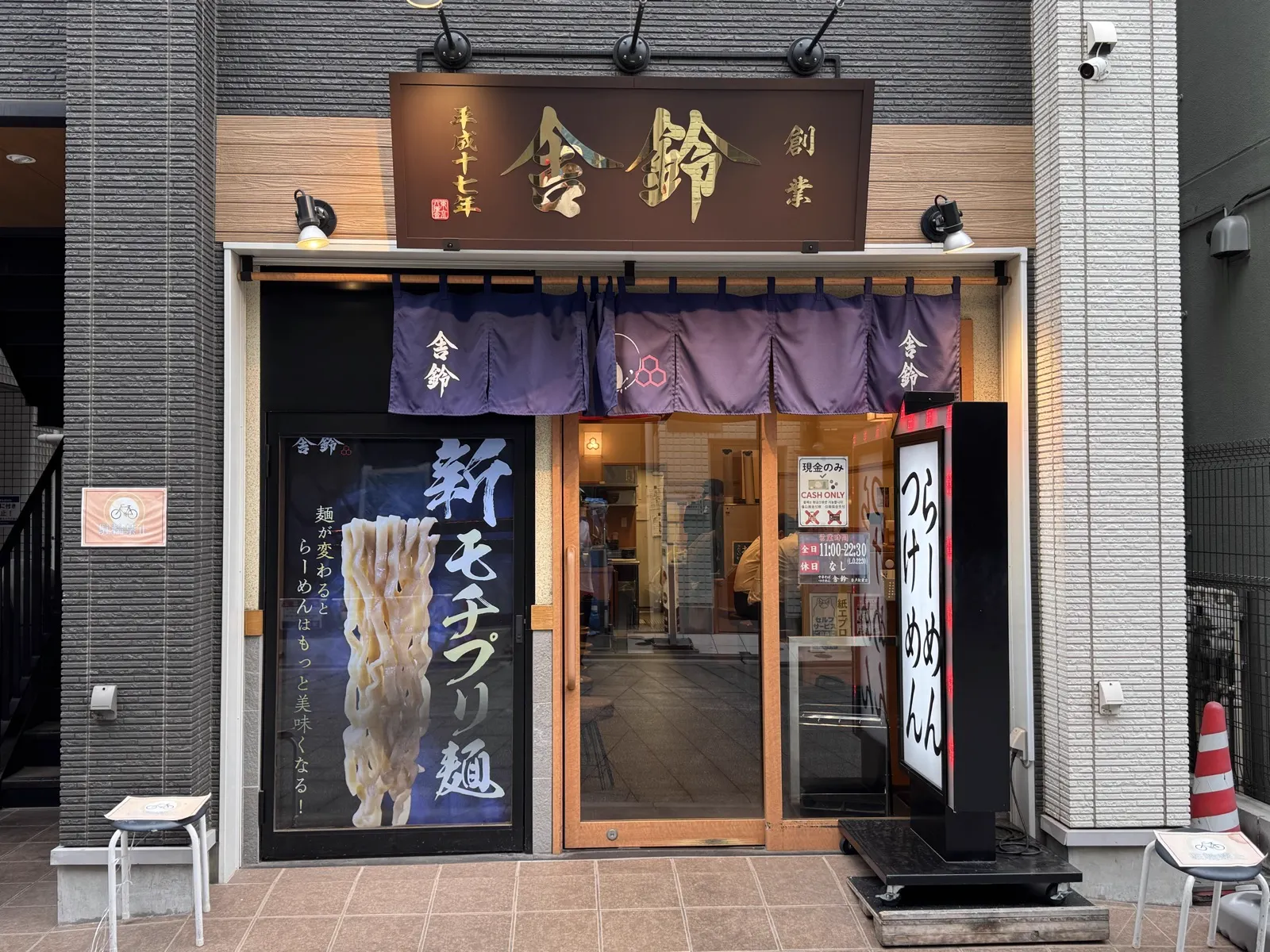
Photo: Yen Finder Editorial, Shinjuku 2026-05-25
SponsoredThis article contains affiliate links. We may earn a commission when you sign up through them, but our recommendations and editorial stance are not influenced by the partnerships.
Contents📖 ~3 min read
Despite Japan's growing cashless adoption, ~50% of small
family-run restaurants and shops remain cash-only — primarily
due to card-reader fees (~3% of each transaction), an elderly
customer base preferring cash, and operational simplicity for
shops on tight margins. This article explains the structural
reasons and helps tourists plan accordingly.
TL;DR
~50% of small family-run shops: cash-only.
Three main reasons: card fees (3%), elderly preference,
operational simplicity.
Trend: ~5% per year shift toward cashless; rural lags.
Practical impact: bring ¥10,000–¥20,000 cash buffer
even in central Tokyo.
Why won't shops install card readers?
1. Card-reader fees
Small shops typically pay 2–4% per credit card transaction. On
tight margins (sometimes single-digit profit per item), 3%
matters.
2. Elderly customer base
~30% of Japan is over 65. Many elderly customers prefer cash;
small shops align with that preference.
3. Operational simplicity
Cash transactions are immediate; no terminal connectivity, no
chargeback risk, no bookkeeping complexity.
4. Cultural inertia
Some shop owners view cards as "modern" and cash as
"traditional" — a cultural identity element rather than a pure
economic decision.
What's the trend?
Tokyo central districts: ~80% card-accepting (and rising)
Tokyo residential neighborhoods: ~50% card-accepting
PayPay's QR-code rollout has accelerated small-shop adoption
since 2018 — many shops accept PayPay without accepting credit
cards.
⚠️ The "PayPay wall" for foreign tourists: there's a catch. You generally can't register or top up the PayPay app with an overseas-issued card or a non-Japanese phone number — it needs a Japanese phone number and a Japanese funding source. However, most PayPay merchants also accept Alipay+, so travelers carrying an Asian wallet — Alipay (China), AlipayHK, Kakao Pay (Korea), TrueMoney (Thailand), GCash (Philippines) and similar — can scan the shop's QR and pay through their home app. For everyone else (most Western tourists), a "no card, PayPay only" shop is effectively cash-only — so don't assume "I'll just install PayPay." A cash buffer is still your best defense.
What this means for your trip
✅ Bring ¥10,000–¥20,000 cash buffer even in central
Tokyo.
✅ For traditional restaurants in residential
neighborhoods, expect cash.
✅ For rural and festival-related spending, more cash.
✅ For modern chains, cards work consistently.
⚠️ Don't assume cards work everywhere — not in 2026
Japan.