USD to JPY in Kyoto: Complete Currency Exchange Guide 2026 — For Foreign Tourists
⚡ 30-Second Answer: USD → JPY in Kyoto: Exchange shop density is 1/3 to 1/5 of Tokyo. If transiting via Tokyo, exchange there first = better rates. Kyoto Station-front specialist shops (roughly mid −1% to −2.5%) are the realistic local option.
Quick Reference
Value
Optimal strategy
Exchange in Tokyo before transferring to Kyoto
Kyoto Station-front
World Currency Shop (roughly mid −1% to −2.5%)
Shijo Kawaramachi
roughly mid −1.5% to −2.5%
KIX airport
roughly mid −3% to −6%
Last verified
June 2026
✓ Last verified: Jun 2026
📖6 min read
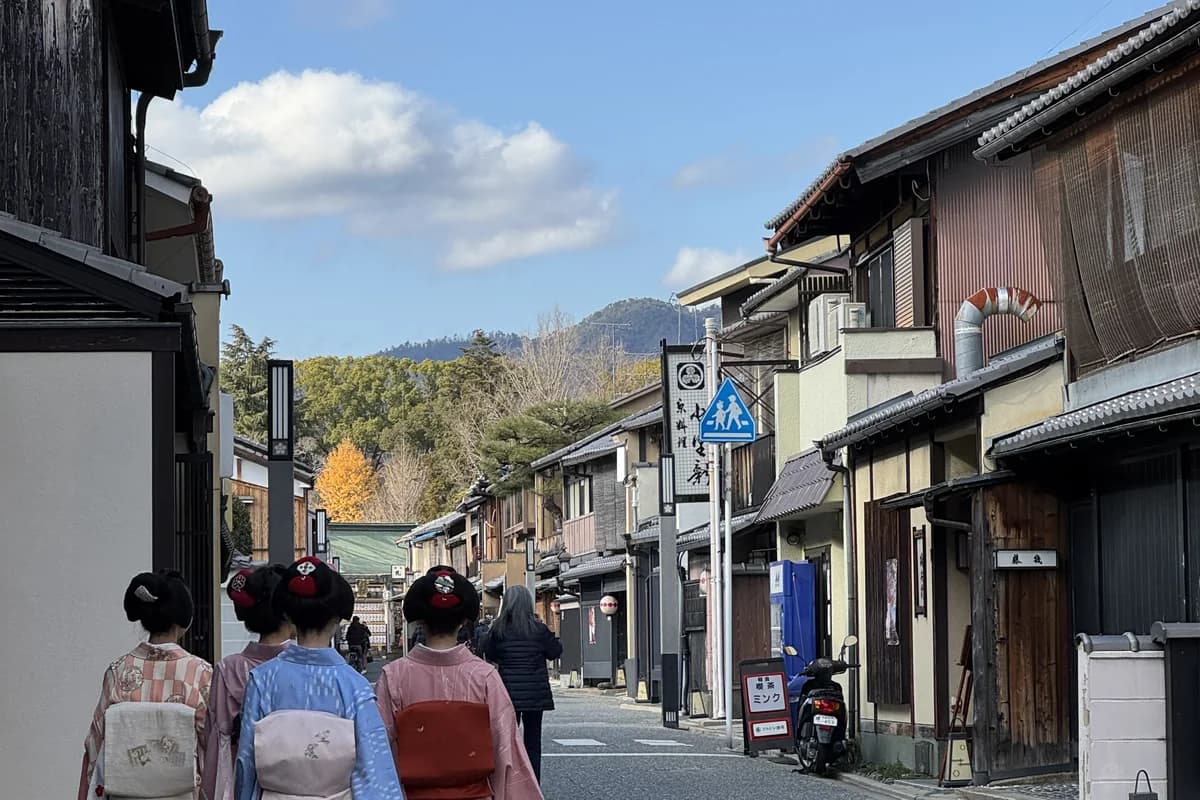
Photo: Yen Finder Editorial, Kyoto
SponsoredThis article contains affiliate links. We may earn a commission when you sign up through them, but our recommendations and editorial stance are not influenced by the partnerships.
⚠️ All rates below are indicative and move daily — a cash buy rate is always below the mid-market rate, and the exact spread varies by shop and by day. Of the operators here, only World Currency Shop is live-tracked by Yen Finder; always check the live rate before you commit.
Unlike Tokyo, Kyoto has a much lower density of currency exchange shops, and modern exchange services are scarce within the city's traditional townscape. For foreign visitors arriving in Kyoto with US dollars (USD), the "when and where to exchange" location strategy matters even more than in Tokyo. This guide lays out the best routes for USD → JPY in Kyoto.
TL;DR — USD in Kyoto, the Bottom Line
Amount
Recommended Method
Why
Under $100 (emergency)
Emergency use at a bank ATM inside Kyoto Station
Few shops, convenience first
$100–500
Street exchange shop near Kyoto Station
Roughly mid −1% to −2.5%, close to the station
$500–2,000
ATM via Wise / Revolut card
At 7-Eleven Bank or Lawson Bank ATMs in Kyoto
Over $2,000
Exchange in Tokyo before heading to Kyoto
Tokyo offers a meaningfully better rate than Kyoto
💡 Important: Kyoto has roughly 1/3 to 1/5 the exchange-shop density of Tokyo. If you are routing through Tokyo, exchanging there first is rate-advantageous. If you fly directly into Kyoto, the realistic combo is a shop in front of Kyoto Station + a Wise / Revolut card.
Comparison Axis 1 — USD Exchange Spots in Kyoto
Area
Representative Shops
Rate Competitiveness
Access
Kyoto Station front
World Currency Shop Kyoto Station branch, etc.
🟡 Roughly mid −1% to −2.5%
1–3 min walk from Kyoto Station
Shijo Kawaramachi
Major exchange shops
🟡 Roughly mid −1.5% to −2.5%
5 min walk from Hankyu Kawaramachi Station
Sanjo
A few exchange shops
🟡 Roughly mid −1.5% to −2.5%
3 min walk from Keihan Sanjo Station
Kansai International Airport (KIX)
Major exchange operators
🔴 Roughly mid −3% to −6%
Directly connected to arrival lobby
Osaka Itami Airport (ITM)
Mostly domestic flights, thin exchange coverage
🔴 Roughly mid −3% to −6%
Limited
Kyoto Station front is the most practical option.Shijo Kawaramachi is conveniently located if you're already sightseeing in the area, but rates are slightly worse.
Comparison Axis 2 — ATM via Wise / Revolut Card
UnionPay-compatible ATMs in Kyoto are deployed at the same density you'd find in Tokyo:
ATM
Locations in Kyoto
Rate + Fee
7-Eleven Bank ATM
Plentiful at Kyoto Station and major sightseeing areas
Mid-market −0.5% (Wise) + ¥220/transaction
Lawson Bank ATM
200+ locations across Kyoto
Mid-market −0.5% (Wise) + ¥220/transaction
AEON Bank ATM
50+ locations across Kyoto
Mid-market −0.5% (Wise) + ¥220/transaction
Japan Post ATM
100+ locations across Kyoto
Mid-market −0.5% (Wise) + ¥220/transaction
Using ATMs in central tourist areas is no problem.Even at sightseeing spots like Kiyomizu-dera and Arashiyama, 7-Eleven Bank ATMs inside 7-Eleven stores are available.
Subscribe to the weekly digest (free, unsubscribe anytime).
Email used for the newsletter only. Never shared.
Last verified: 2026-06-19
Comparison Axis 3 — Cash Demand in Kyoto
Kyoto leans more on cash than Tokyo does:
Scenario
Cash Recommended?
Reason
Temple/shrine admission fees
🔴 Cash required
Most temples and shrines are cash-only
Traditional machiya Japanese restaurants
🟡 Some cash-only
Some don't take cards
Kyoto City Bus (1-day pass)
🟡 Cash / IC
Can be bought on board
Taxis
✅ Cards accepted
Most accept cards
Department stores & convenience stores
✅ Cards OK
Same level as Tokyo
Small matcha cafés and tea houses
🟡 Cash preferred
Card acceptance is growing, though
This is why we recommend carrying ¥30,000–50,000 in cash for sightseeing in Kyoto.
Comparison Axis 5 — Which kind of USD traveler are you?
Pick the row that matches you, then use the axes above for the details.
If you're...
Best USD move in Kyoto
Why
Routing through Tokyo with $500+
Exchange in Tokyo first (Shinjuku West Exit street shop)
Tokyo's competitive downtown counters tend to beat Kyoto's, which run roughly mid −1% to −2.5%
Flying direct into Kyoto, daytime
A street shop in front of Kyoto Station (World Currency Shop)
Best local option (roughly mid −1% to −2.5%) and a 1–3 min walk from the station
A budget traveler pulling small amounts
A Wise/Revolut card at a 7-Eleven Bank ATM
About mid −0.5%, 24/7, ~¥220/withdrawal, plentiful near sights
Temple- and shrine-heavy itinerary
Carry ¥30,000–50,000 cash; top up ¥10,000 at Kyoto Station
Admission and many machiya restaurants are cash-only
Holding a 0%-FX credit card
Tap to pay and always choose JPY (never DCC)
DCC at Arashiyama/Kiyomizu tourist shops costs 3–7%; you need little cash
3 Mistakes Tourists Often Make
Routing through Tokyo but exchanging in Kyoto: Tokyo's street-shop rates are better than Kyoto's. If you transit Tokyo, exchange there before heading to Kyoto.
Trying to pay temple admission "by card": Admission fees are basically cash only. You'll want ¥500–2,000 in small bills and coins on hand.
Falling for DCC on credit-card payments at tourist spots: Shops around Arashiyama and Kiyomizu-dera that cater to tourists tend to default to DCC. Always choose to be charged in JPY.
Suggested Itinerary (3-Day Plan with USD in Kyoto)
Day
Move
Cash on Hand
Day 0 (before departure)
Get a Wise / Revolut card + load USD
1 card
Day 1 (via Tokyo)
Exchange $300 at a street shop in Shinjuku West Exit
¥40,000 + Wise
Day 1 (arrive Kyoto)
Top up by ¥10,000 at a Kyoto Station shop if needed
Q: Is KIX (Kansai Intl Airport) or routing via Tokyo the better deal?
A: Routing via Tokyo is usually better. The gap between a competitive downtown counter (e.g. Shinjuku West Exit, roughly mid −1% to −2.5%) and an airport counter like KIX (roughly mid −3% to −6%) is significant, so exchanging in Tokyo and then entering Kyoto is the economical choice. Spreads move daily and vary by shop — check the live rate before you commit.
Q: How late is World Currency Shop in front of Kyoto Station open?
A: It depends on the branch, but typically 9:00–20:00. If you arrive late at night, going via ATM is the realistic option.
Q: Can I use foreign currency at temples and shrines in Kyoto?
A: No. Japanese yen cash only. Since admission fees run ¥100–2,000, it's most comfortable to carry a stack of ¥1,000 bills.
Q: Can I buy a Kyoto City Bus 1-day pass (¥700) with cash?
A: Yes — you can buy it from the driver on board with cash. You can also purchase it at the City Bus Information Center in front of Kyoto Station. You cannot buy it at convenience stores or 7-Eleven Bank ATMs.
Q: How is UnionPay card acceptance in Kyoto?
A: Large stores, sightseeing spots, and department stores in Kyoto accept UnionPay.Drugstores and convenience stores around Kyoto Station also widely accept it.
Editorial info: Yen Finder Editorial / Photographed 2026 / Last verified 2026-06-19. Rate and operating-hours information is based on each shop's official sources. Please confirm the final rate at the storefront.