Paying at Sento & Sauna in Japan 2026 — Tokyo Bathhouses Go to ¥600 in August, and Where You Still Need Cash
⚡ 30-second answer: From 1 August 2026, an adult bath at a Tokyo sento costs ¥600 (up from ¥550); the child rates (¥200 and ¥100) are unchanged. On payment, traditional sento are frequently still cash-only, while large sauna complexes increasingly take credit cards at automated payment machines. The real catch isn't the entry fee — it's the small payments around it: lockers and shoe boxes want a ¥100 coin, and in-house vending machines are often cash-only. Carry a few ¥1,000 notes and a handful of ¥100 coins and nothing will trip you up.
Quick reference
Value
Tokyo sento (from 1 Aug)
Adult ¥600 / child ¥200 / infant ¥100
How the price is set
Prefectural price cap (Price Control Ordinance)
Paying at a sento
Frequently cash-only
Large sauna complexes
Card often accepted at payment machines
Watch out for
¥100 coin for lockers, cash-only vending
Last verified
July 2026
✓ Last verified: Jul 2026
📖5 min read
Photo: Yen Finder Editorial, Nagoya 2026-07
SponsoredThis article contains affiliate links. We may earn a commission when you sign up through them, but our recommendations and editorial stance are not influenced by the partnerships.
Contents📖 ~5 min read
Sento prices are capped by law
Japanese bathhouses work in a way few countries share: the maximum bathing fee is set by each prefecture. The legal basis is the Price Control Ordinance, and the ceiling is called the tōseigaku (統制額, "controlled amount").
That's why every sento in Tokyo charges essentially the same — there's no point shopping around for a cheaper one.
And the Tokyo cap changes on 1 August 2026.
Category
Current
From 1 Aug 2026
Adult (12+)
¥550
¥600
Child (6–11)
¥200
¥200 (unchanged)
Infant (under 6)
¥100
¥100 (unchanged)
Only the adult rate rises, by ¥50. Tokyo cites higher labour and utility costs.
Note: the cap applies to bathhouses covered by the Price Control Ordinance. Dedicated sauna facilities and super-sento are outside it and set their own prices. Caps differ by prefecture, so figures outside Tokyo will differ too.
Sento vs sauna complex: how payment differs
Same "bath", very different state of payment infrastructure.
Sento (price-capped)
Large sauna complex / super-sento
Price
Prefectural cap (Tokyo ¥600 from Aug)
Set freely; often several thousand yen
Payment
Frequently cash-only
Card often accepted at payment machines
Ticket machine
Some take ¥1,000 notes only
Multilingual, multi-payment increasingly common
Typical stay
A short visit
Several hours, sometimes overnight
Sento are mostly small owner-run businesses, so cashless support varies shop by shop. The old style of handing cash to an attendant at the bandai counter is still alive. If you're visiting a sento while in Japan, assume you'll need cash.
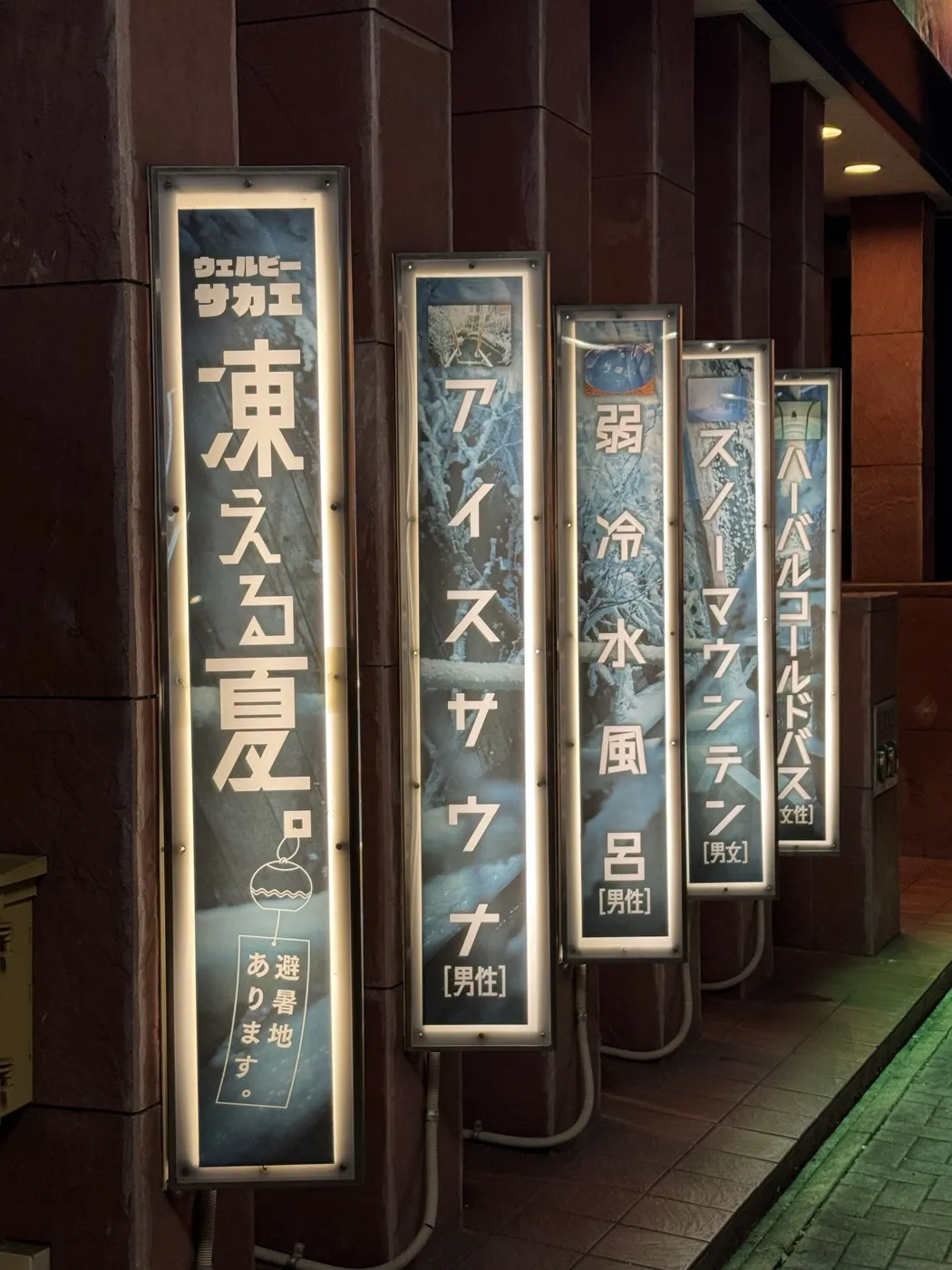
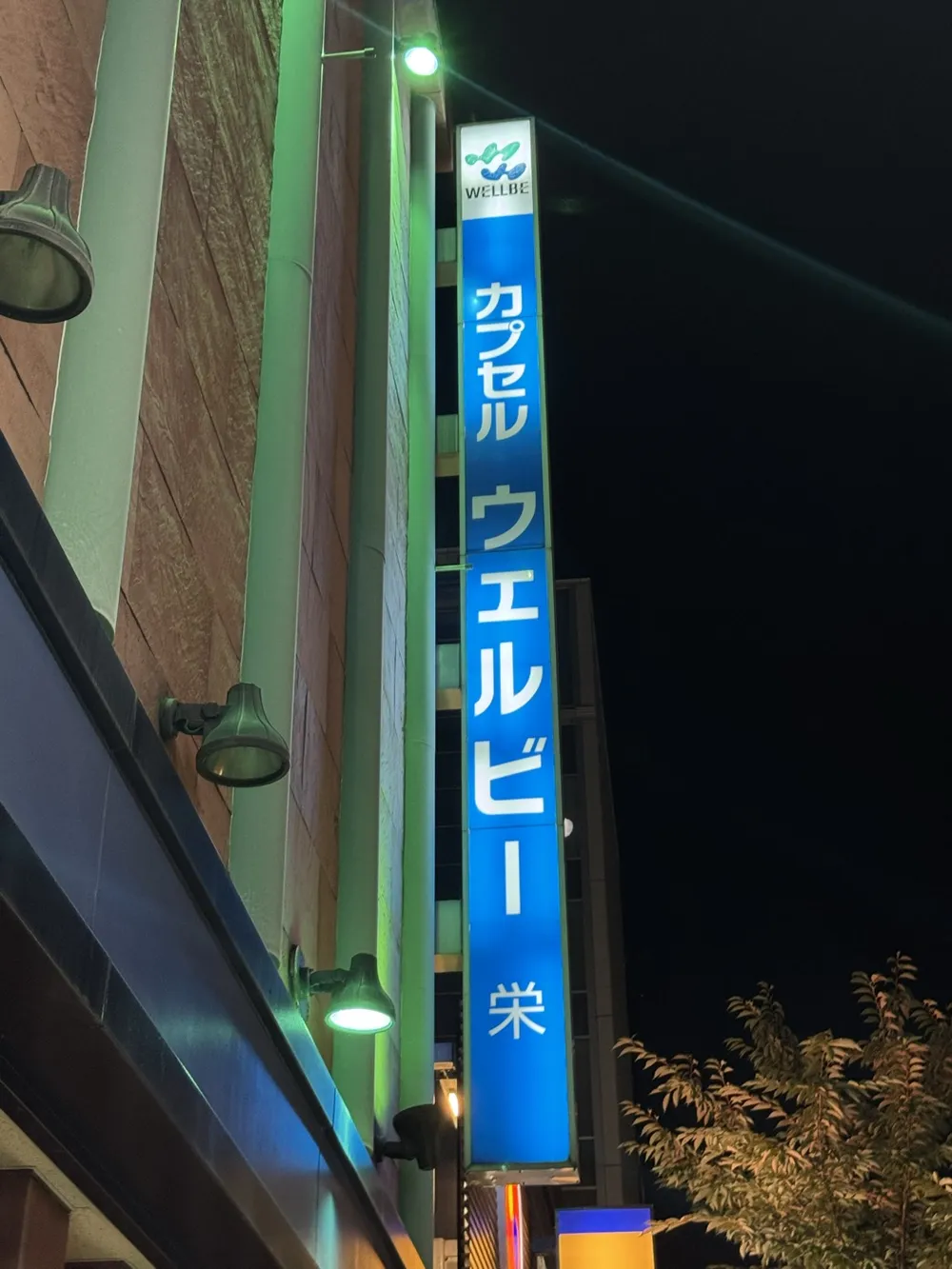
Large sauna facilities are a different story. When our editorial team visited Wellbe Sakae in Nagoya, the venue had an automated payment machine accepting credit cards among other methods. The better-known the facility, the more likely this is.
Subscribe to the weekly digest (free, unsubscribe anytime).
Email used for the newsletter only. Never shared.
Last verified: 2026-07-27
The real catch: the small payments around the bath
Even where the entrance fee takes a card, parts of the building still run on cash. This is where visitors get caught out.
1. A ¥100 coin for lockers and shoe boxes
Many facilities use lockers and shoe boxes that need one ¥100 coin.
Refundable: return the key and the ¥100 comes back (effectively free)
Non-refundable: the ¥100 is the fee and stays in the machine
Which type it is depends on the facility. Either way, no ¥100 coin means no locker, so get one before you go in. Many venues have change machines, but those want ¥1,000 notes.
2. Vending machines inside
The machines selling that post-bath drink are still frequently cash-only. IC-card and QR-capable models are spreading, but don't count on it.
Large sauna complexes often run an in-house tab. You're given a wristband or locker key at check-in, charge food, drinks and massages to it, and settle everything on the way out.
Convenient — you don't carry cash around the building — but whether that final settlement takes a card depends on the facility. Ask at check-in.
How much cash to bring
For a sento or sauna visit while travelling in Japan:
For
Rough amount
Sento entry
About ¥600 (Tokyo, from August)
Towel rental or purchase
¥100–500
Locker / shoe box
One or two ¥100 coins
Post-bath drink
¥150–250
Large sauna complex
¥2,000–4,000 (varies a lot)
A few ¥1,000 notes and a few ¥100 coins. That covers both.
Policies differ by facility: some accept cover stickers, others are fully tattoo-friendly. See our tattoo-friendly onsen guide.
FAQ
Q: Why do all Tokyo sento charge the same?
A: Under the Price Control Ordinance, each prefecture sets a maximum bathing fee. Tokyo's adult cap becomes ¥600 on 1 August 2026. Dedicated sauna facilities and super-sento are exempt.
Q: Can I use a credit card at a sento?
A: It depends on the shop. Many owner-run sento remain cash-only, so go assuming you need cash.
Q: What about sauna facilities?
A: Card acceptance is well advanced at larger venues. At Wellbe Sakae, which we checked in person, the automated payment machine took various methods. Still, it varies — confirm at check-in.
Q: Do I get the locker ¥100 back?
A: Some are refundable, some aren't; it varies by facility. Either way you can't use the locker without a ¥100 coin, so have one ready.
Q: Are the vending machines cashless?
A: More of them are, but cash-only models are still common. Keep coins on you.
Source: Tokyo Metropolitan Government (controlled bathhouse fee). Caps are set per prefecture and are revised from time to time. Individual venues change their payment methods, so confirm with the facility. The Wellbe Sakae payment setup was checked in person by Yen Finder Editorial in July 2026.