⚡ 30-Second Answer: Kyoto = Kansai's historic capital, with 81% card acceptance (average for tourist sites, but shrines + small shops are mostly cash). Best exchange: WCS Kyoto Karasuma (weekdays only, mid -1 to -1.5%); Travelex Kyoto Nishiguchi at Kyoto Sta. (daily 8:00-19:00, mid -2 to -2.5%) is the convenient fallback, 24h ATM: 7-Eleven at Kyoto Sta. / Karasuma. ¥25,000-35,000 cash + Wise/Revolut works. Shrine offerings + matcha experiences + small Kiyomizu shops = cash, ¥500-1,000 small bills help.
Quick Reference
Value
Best exchange
WCS Kyoto Karasuma (weekdays, -1 to -1.5%)
Kyoto Sta. exchange
Travelex Nishiguchi (daily, -2 to -2.5%)
24h ATM
7-Eleven at Kyoto Sta. / Karasuma
Cash needed
¥25,000-35,000
Card acceptance
81% (below Tokyo)
Small bills
¥500-1,000
Last verified
2026-08-25
✓ Last verified: Aug 2026
📖6 min read
SponsoredThis article contains affiliate links. We may earn a commission when you sign up through them, but our recommendations and editorial stance are not influenced by the partnerships.
The complete pillar guide for handling money in Kyoto, one page. Kyoto is centered on temples, traditional ryokan, machiya restaurants, and Nishiki Market, and runs on a much higher cash ratio than Tokyo. Budget ¥30,000-50,000 cash per person for a 4-day Kyoto trip. The best exchange shops cluster in the Karasuma area (between Karasuma Oike and Shijo). Kyoto Station is convenient but rates are noticeably worse.
This page covers the arrival in Kyoto → temple-hopping → day-trips to Arashiyama, Uji, Nara money flow across 6 axes.
TL;DR — your no-stress Kyoto money playbook
Cash to carry: ¥10,000-15,000/day per person (temple admission, goshuin, small restaurants, Nishiki Market)
Best exchange: WCS Karasuma (Shijo/Karasuma Sta., weekdays only), mid-market −1 to −1.5%. Details: #42
Best ATM: Kyoto Station / Karasuma 7-Eleven Seven Bank ATMs 24/7
Mobile: Temple areas have weak public Wi-Fi — eSIM mandatory
1. Four distinct sub-areas in Kyoto
Kyoto Station vicinity
The hub where Shinkansen + JR + Kintetsu cross. Kyoto Tower, Isetan, and the Hachijo-side hotel cluster. Few exchange shops but plentiful ATMs and konbini.
Karasuma / Shijo Kawaramachi (central)
Kyoto's business and shopping core. WCS Karasuma, Kyoto Marui, Hankyu Kawaramachi. The flagship exchange zone.
Gion / Higashiyama / Kiyomizu
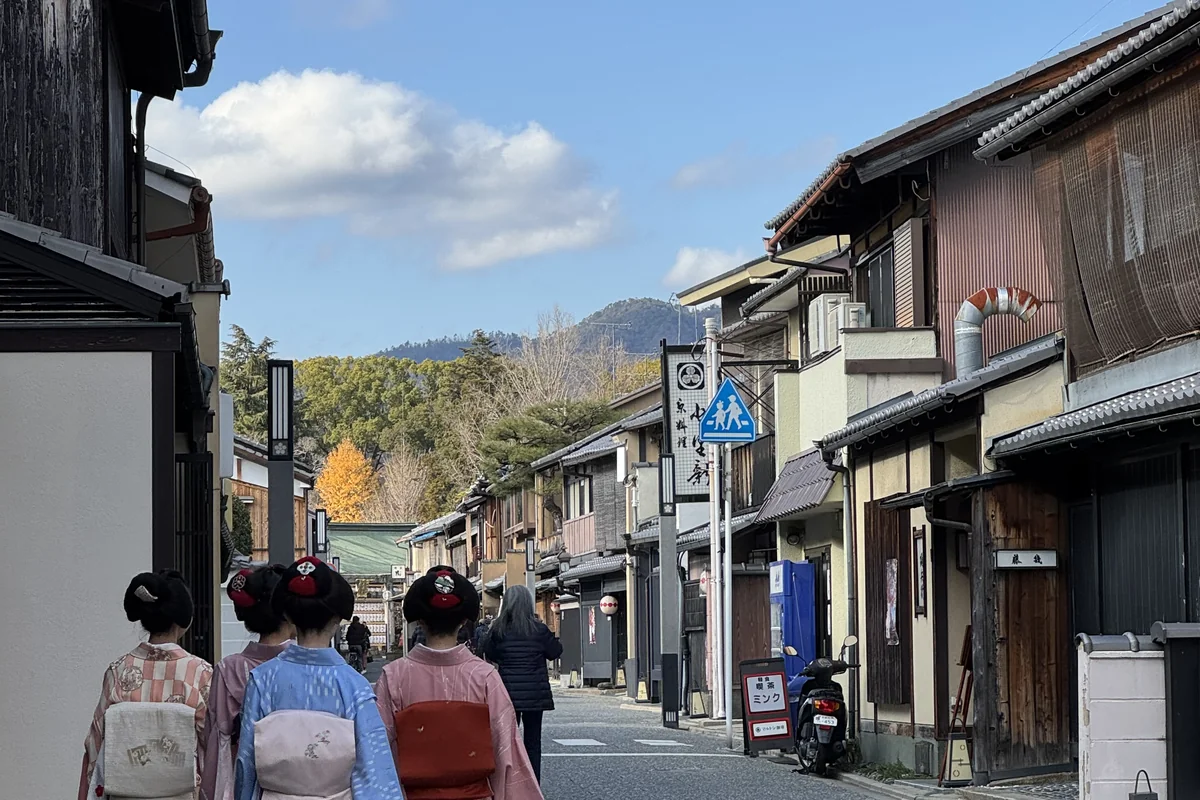
The traditional sightseeing area. Kiyomizu-dera, Yasaka Shrine, Hanami-koji. Heavy cash use — admission fees, omamori, tea houses.
Arashiyama / Sagano (west)
Bamboo grove, Togetsukyo Bridge, Tenryu-ji. 20-30 minutes by train. Bring extra cash and coins (shrines, Sagano Romantic Train).
Which kind of traveler are you in Kyoto?
Kyoto runs on more cash than Tokyo or Osaka — temples, tea houses and small shops still prefer it. Match your row.
If you're…
Kyoto money move
Why
A temple-and-shrine sightseer (Gion / Higashiyama / Arashiyama)
Carry extra cash and ¥100 coins
Admission fees, omamori, tea houses and the Sagano train are cash-heavy
Carrying a Wise or Revolut card
Pull yen at a Kyoto Station / Karasuma Seven Bank ATM
Near mid-market, 24/7; top up before heading to temple districts
Doing your one big exchange
WCS Karasuma — Kyoto's flagship counter zone
Few counters elsewhere; sort it centrally before you sightsee
Staying in a traditional ryokan
Confirm card vs cash at check-in; keep a cash cushion
Some older ryokan and kaiseki spots are cash-only
Doing an Arashiyama / Sagano day
Top up cash before you go
The west side is thin on counters; bring it from central Kyoto
2. Exchange — wrap it up in Karasuma
Flagship shops (USD, May 2026)
Shop
Rate vs mid-market
Hours
Location
WCS Kyoto Karasuma
−1.0 to −1.5%
Weekdays 10:00-17:00, closed weekends/holidays
Inside MUFG Bank Kyoto branch, 1F, at Shijo/Karasuma Sta.
If you're short on time, Travelex inside JR Kyoto Station is fine (mid −2 to −2.5%). But if you're exchanging ¥20,000 or more, walk to Karasuma — saves ¥500-1,500.
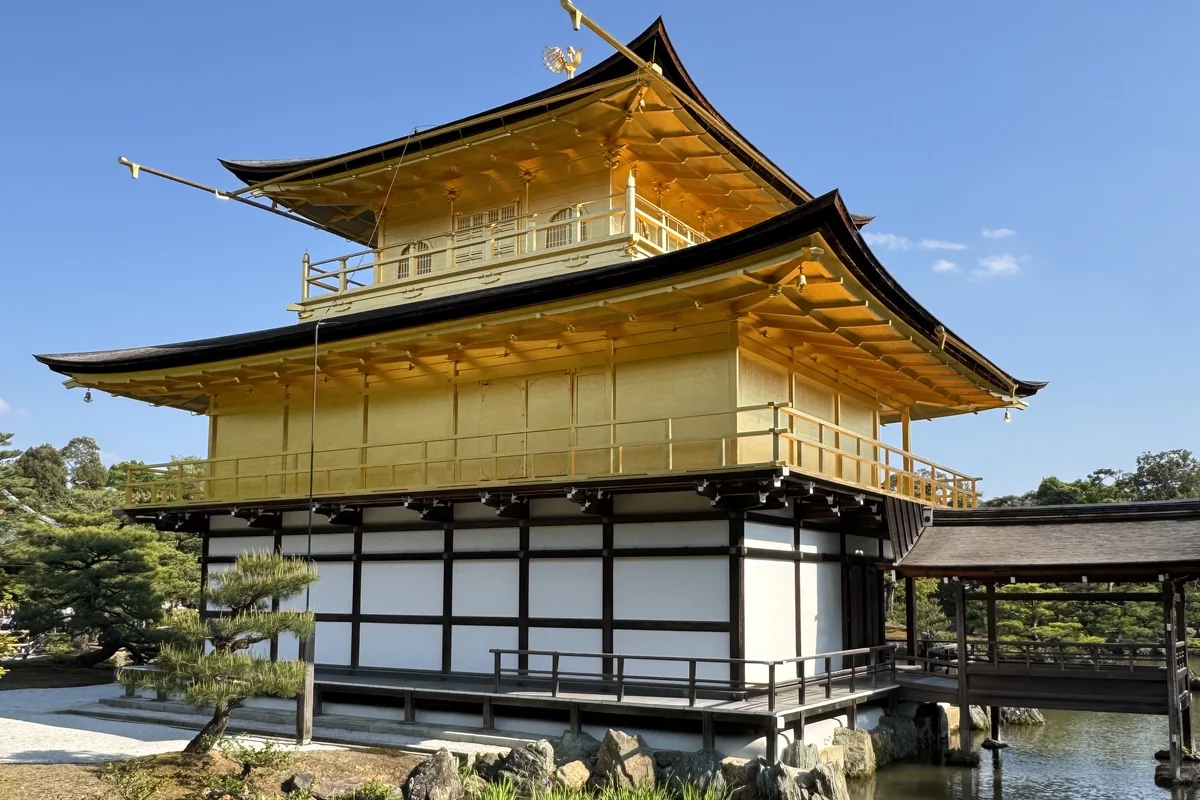
Kiyomizu ¥500 · Kinkaku-ji ¥500 · Ginkaku-ji ¥500 · Fushimi Inari free (offerings extra) · Arashiyama Tenryu-ji ¥500 · Sanjusangen-do ¥600 — all cash. Visiting 6-8 temples a day means ¥3,000-5,000 in coins and ¥1,000 notes to hand.
5. Hotels — Kyoto is the king of the "ryokan" category
Kyoto has Japan's strongest traditional ryokan and machiya stay inventory. From legacy names like Hoshinoya Kyoto, Tawaraya, and Hiiragiya all the way to machiya minpaku. Rakuten Travel and Jalan dominate the ryokan category.
Compare 4-5 sites on the same dates
Rakuten Travel — largest ryokan / machiya inventory, Rakuten Points
Jalan — Recruit's platform, exclusive discount coupons
JTB — established trust brand, Kyoto tour packages
6. Connectivity — temple areas have weak public Wi-Fi
Kyoto's temple and shrine areas are slammed by tourists and free Wi-Fi crawls. Google Maps and Translate failing here means you get lost. eSIM mandatory.