KRW to JPY in Fukuoka: Complete Currency Exchange Guide 2026 — For Korean Tourists
⚡ 30-Second Answer: KRW → JPY in Fukuoka: Best cash rates = Korea-side street shops (e.g. Seoul Myeongdong). Fukuoka downtown shops sit roughly mid −1% to −2.5%, with Japan's highest KRW density. For 1-2 night trips, buy yen in Korea before flying is the optimal strategy. Rates are indicative and move daily — check the live rate.
Quick Reference
Value
Optimal route
Buy JPY in Seoul Myeongdong before flight
Fukuoka downtown
Hakata/Tenjin/Nakasu (mid −1% to −2.5%)
Worst
Fukuoka Airport counter (mid −3% to −6%)
Wise/Revolut
mid −0.5% + ~¥220 ATM
Last verified
June 2026
✓ Last verified: Jun 2026
📖6 min read
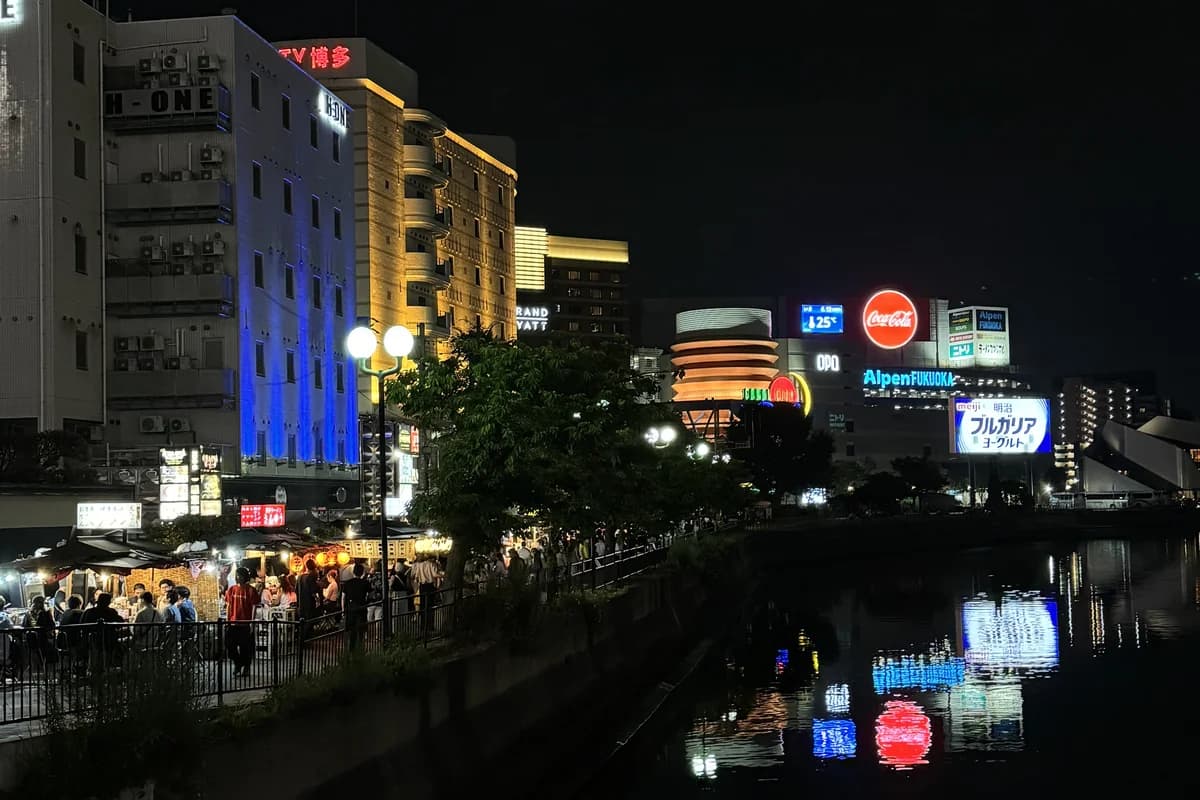
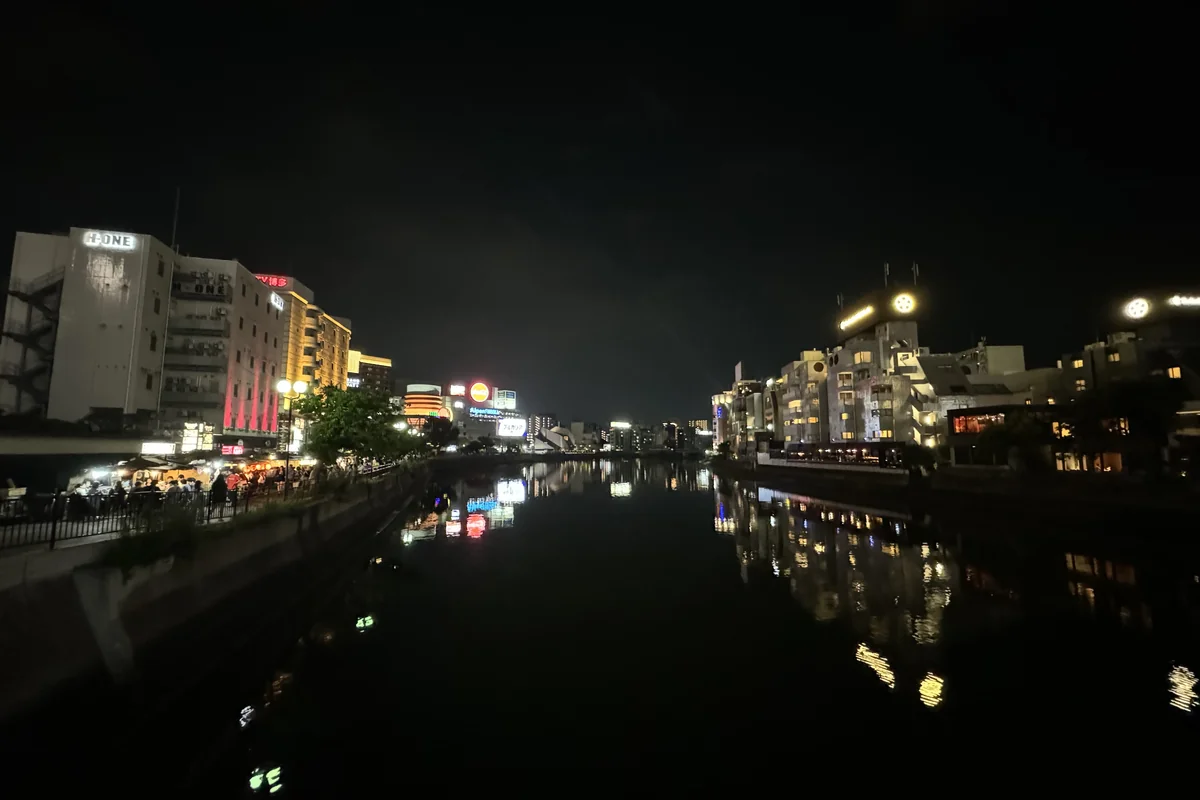
Photo: Yen Finder Editorial, Fukuoka 2026
SponsoredThis article contains affiliate links. We may earn a commission when you sign up through them, but our recommendations and editorial stance are not influenced by the partnerships.
Fukuoka is the closest Japan gets to Korea. Busan to Fukuoka takes about 3 hours by high-speed ferry, and Seoul to Fukuoka is only 1 hour by plane, which is why so many Korean travelers treat Fukuoka as a quick monthly getaway. This guide walks through the best ways to convert Korean won (₩KRW) into Japanese yen (¥) when you arrive in Fukuoka.
TL;DR — KRW in Fukuoka, the short answer
Amount
Recommended option
Why
Under ₩50,000 (small)
Counter at the Busan ferry terminal
Instant, low absolute loss
₩50,000–200,000
Exchange shops in Hakata Station / Nakasu
Downtown specialists, roughly mid −1% to −2.5%
₩200,000–500,000
ATM with a Wise / Revolut card
Wins on rate and convenience
Over ₩500,000 (long stay)
Buy yen at a Korean bank first, then spend in Japan
Korean bank rates are surprisingly good
💡 Yen check: A ~5% rate gap on ₩500,000 costs you the equivalent of roughly one meal at a Hakata yatai food stall in lost value. Check the live KRW/JPY rate to see the exact amount.
Angle 1 — What makes KRW exchange in Fukuoka unique
Fukuoka has the highest density of KRW-handling shops of any city in Japan. You'll spot exchange shops with KRW-specific signage in all three main areas: Hakata Station, Tenjin, and Nakasu.
Area
Typical shops
Rate competitiveness
Around Hakata Station
Major exchange shops inside JR Hakata City
🟢 Mid −1% to −2.5%
Tenjin
Major exchange shops + banks
🟢 Mid −1% to −2.5% (banks nearer mid −2% to −3%)
Nakasu
Shops catering to Korean tourists
🟢 Mid −1% to −2.5% (some open late)
Fukuoka Airport (FUK)
Major exchange company counters
🔴 Mid −3% to −6%
Hakata Port (ferry terminal)
In-terminal counters
🟡 Mid −2% to −4%
KRW coverage is denser in Fukuoka than in Tokyo or Osaka. Some Nakasu shops stay open until 22:00 on weekends, which is useful if you suddenly need cash during a night out.
Angle 2 — Buying yen inside Korea before you leave
Often buying yen inside Korea gives a better rate than exchanging after you land in Fukuoka:
Country / location
KRW → JPY rate (rough)
Major Korean banks (KEB Hana / KB / Woori)
Mid −1% to −2%
Street exchange shops in Myeongdong, Seoul
Roughly mid −1% (tightest cash option)
Incheon Airport counters
Mid −3% to −6%
Busan Port counters
Mid −2% to −4%
Fukuoka downtown shops
Mid −1% to −2.5%
Fukuoka Airport counters
Mid −3% to −6%
Rates are indicative and move daily — check the live KRW/JPY rate before you commit.
Bottom line: Myeongdong street shops are the tightest cash option, with Fukuoka downtown shops close behind > banks in either country > port counters > airport counters. For a short overnight trip, buying yen in Korea before you fly is by far the easiest.
Subscribe to the weekly digest (free, unsubscribe anytime).
Email used for the newsletter only. Never shared.
Last verified: 2026-06-19
Angle 3 — The advantage of Wise / Revolut cards
Wise and Revolut cards that hold KRW let you withdraw yen from a 7-Eleven ATM in Fukuoka at about mid-market −0.5% (their published fee, plus a ~¥220 ATM fee):
Item
Street exchange (Nakasu)
Wise / Revolut card
KRW → JPY rate
Mid −1% to −2.5%
About mid −0.5% (published fee)
Convenience
Business hours only
24-hour ATM access
Best amount
₩100,000 and up
₩50,000–500,000 in small pulls
Per-transaction cap
None
¥30,000–100,000 per withdrawal
If you visit Japan often, the most efficient setup is to keep a KRW balance in a Wise multi-currency account and pull yen as needed.
Angle 4 — Which kind of KRW traveler are you?
Pick the row that matches you, then use the angles above for the details.
If you're...
Best KRW move in Fukuoka
Why
Changing ₩200,000+ in daytime
A KRW-specialist shop in Hakata Station / Nakasu
Downtown rate (mid −1% to −2.5%); Fukuoka has Japan's densest KRW coverage
A budget traveler pulling small amounts
A Wise/Revolut card at a 7-Eleven ATM
About mid −0.5%, 24/7, ~¥220/withdrawal
A weekend day-tripper from Seoul/Busan
Buy some yen in Myeongdong before flying
Myeongdong street shops are roughly mid −1% (tightest cash); cap airport/port use
A cruise/ferry visitor changing only what you'll spend
Change a little at Hakata Port, rest at a Nakasu shop
Port is mid −2% to −4%; in-town shops are mid −1% to −2.5%
Holding a Korean credit card
Tap to pay, always choose to be billed in JPY (never won/DCC), and carry cash for yatai
DCC costs 3−7%; Nakasu yatai stalls are cash only
Three mistakes tourists keep making
Exchanging everything at the airport counter — On ₩200,000 you can lose ¥4,000–7,000. Change about ¥10,000 at the airport and do the rest in town.
Skipping the Korea-side exchange and doing it all in Fukuoka — On a one-night trip you waste time. Buying yen in Seoul before departure is the cleanest move.
Forgetting that Hakata yatai food stalls are cash only — Most stalls in Nakasu don't take cashless payment, so plan on ¥3,000–5,000 per person in cash.
A suggested route (KRW, one-night trip to Fukuoka)
Q: Do Fukuoka Airport exchange counters handle won?
A: Yes — the major exchange companies at Fukuoka Airport (Travelex, World Currency Shop, etc.) do handle KRW. But airport rates typically run mid-market −3% to −6%, worse than the downtown shops in town. Rates move daily, so check the live rate before you commit.
Q: Can I exchange at the Busan–Fukuoka ferry terminal?
A: There's an exchange counter inside the international terminal at Hakata Port. Rates are roughly mid-market −2% to −4% — better than the airport, but worse than downtown shops in town.
Q: Will my Korean credit card work?
A: Korean-issued credit cards work in most places, especially major chains, department stores, and convenience stores. But yatai stalls and small shops are often cash only. Using a Wise or Revolut card also helps you avoid DCC and keeps fees minimal.
Q: Are there places that let me pay directly in won instead of yen?
A: A few Korean-tourist-oriented restaurants in Nakasu accept won. But the in-shop rate tends to favor the shop (a tourist premium), so it's usually cheaper to convert to yen first and pay in yen.
Q: What should I do with leftover yen before heading home?
A: If you visit Japan regularly, keeping the yen for the next trip is the most efficient option. Otherwise, Pocket Change machines at the airport convert it into e-money or Amazon gift codes — Fukuoka Airport has one.
About: Yen Finder Editorial / photographed 2026 / last verified 2026-06-19. Shop and rate details are based on each provider's published information. FX rates move constantly, so always confirm the final rate at the counter.