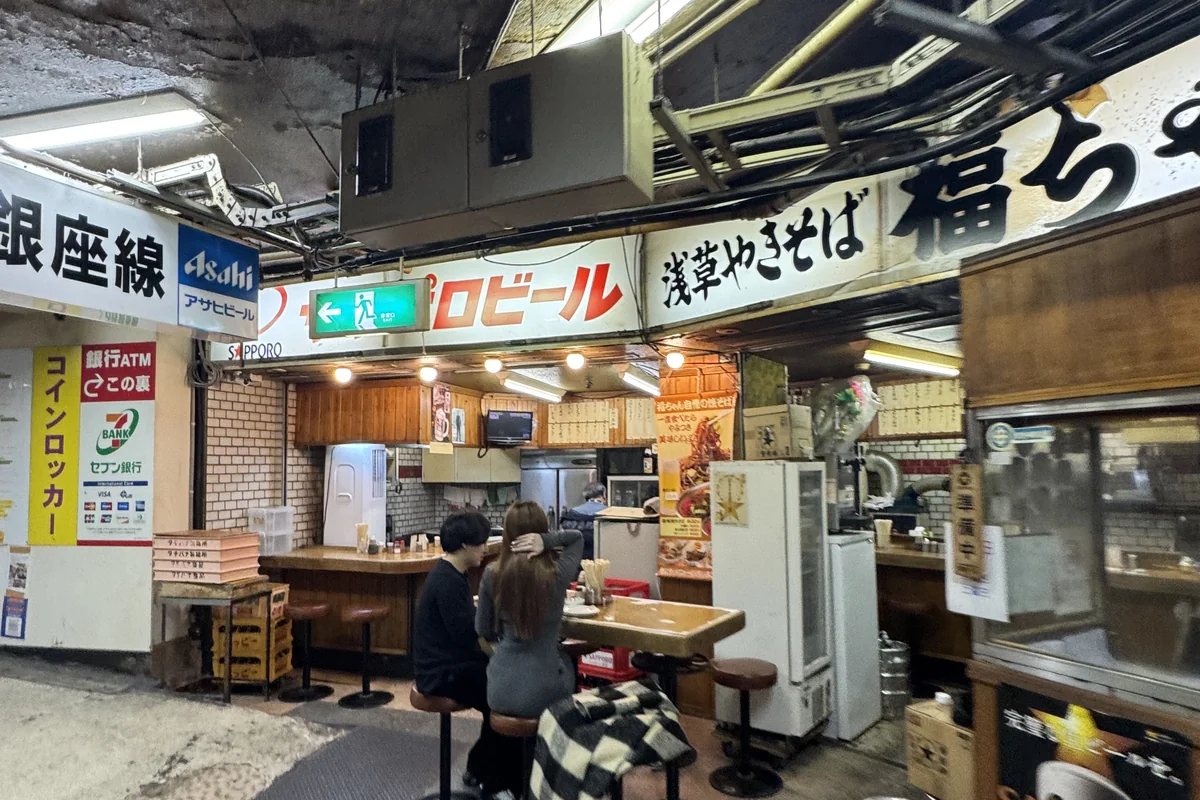
⚡ 30-Second Answer: Asakusa = tourist-dense district, with 78% card acceptance (below central Tokyo's 92%). Travelex Asakusa exists near the station, but street-shop rates tend to trail pre-exchange — do it at Shinjuku or Ueno WCS (mid -1 to -1.5%), 24h ATM: 7-Eleven in Asakusa ROX. ¥20,000-30,000 cash + Wise/Revolut works. Street stalls + rickshaws + small shrines need cash, bring coins for offerings + omikuji.
Quick Reference
Value
Exchange
Travelex Asakusa nearby, but rates favor pre-exchange at Shinjuku/Ueno WCS
24h ATM
7-Eleven Asakusa ROX
Cash needed
¥20,000-30,000
Card acceptance
78% (below Tokyo avg)
Last verified
June 2026
✓ Last verified: Aug 2026
📖5 min read
SponsoredThis article contains affiliate links. We may earn a commission when you sign up through them, but our recommendations and editorial stance are not influenced by the partnerships.
The complete pillar guide for handling money in Asakusa, one page. Asakusa runs on one of the highest cash ratios of any major Tokyo tourist district. Nakamise-dori souvenir stalls, ningyo-yaki sellers, Sensoji offerings, kimono rentals — all default to cash. Plan ¥10,000-15,000 cash per day. Asakusa does have a Travelex branch near the station, but street-shop rates generally trail pre-exchange, so exchange in Shinjuku or Ueno before you come if rate matters.
This page covers the arrival in Asakusa → Kaminarimon, Nakamise, Skytree → shitamachi walking money flow across 6 axes.
TL;DR — your no-stress Asakusa money playbook
Cash to carry: ¥10,000-15,000/day per person (Nakamise souvenirs, offerings, kimono, rickshaw)
Exchange: Travelex Asakusa is the local option, but for rate exchange in Shinjuku or Ueno beforehand
Best ATM: Asakusa Station / Sensoji area konbini Seven Bank ATMs 24/7
Kitchenware and leather artisan districts. Older small shops run on 50-70% cash.
Which kind of traveler are you in Asakusa?
The defining Asakusa fact: exchange counters are scarce here — Travelex Asakusa is about it — and the old town runs heavily on cash. Sort money before you arrive. Match your row.
If you're…
Asakusa money move
Why
A first-timer doing Sensoji + Nakamise
Arrive with ¥10,000–¥15,000 cash + ¥100 coins
Offerings, omikuji and Nakamise snack stalls are cash-and-coin
Carrying a Wise or Revolut card
Withdraw at a Seven Bank ATM (konbini) before sightseeing
Konbini ATMs are everywhere and price near mid-market
Needing a big exchange
Do it in Ueno or Tokyo Station first, not Asakusa
Travelex Asakusa is the only real counter here, and street-shop rates tend to trail pre-exchange
Shopping Kappabashi / Kuramae artisans
Carry more cash than usual
Older kitchenware and leather shops are 50–70% cash
Heading to Skytree Town after
Card is fine there; keep only small cash
The mall is near-100% card, unlike the old town around Sensoji
2. Exchange — Travelex Asakusa exists, but pre-exchange wins on rate
The situation
Travelex Asakusa near the station is the main counter in the area. It works in a pinch, but street exchange-shop rates generally trail what you get by pre-exchanging, and tourist-oriented booths can run mid −5 to −7%.
→ If rate matters, exchange in Shinjuku, Ueno, or Ginza beforehand. Shinjuku WCS gives mid −1 to −1.5%.
Offerings ¥5-50, omikuji ¥100, goshuin ¥300-500, ningyo-yaki ¥150/each — you need a lot of small change. Break ¥1,000 notes into ¥100 coins at the konbini in advance.
5. Hotels — Edo charm vs new high-rises
Asakusa lodging splits into mid-tier Edo-style ryokan (Asakusa View Hotel etc.) and new high-rise hotels (ONE@TOKYO etc.).
A: Travelex Asakusa near the station is the main one; other booths run tourist rates (mid −5 to −7%). For the best rate, exchange in Shinjuku or Ueno first.
Q: How much for an offering?
A: ¥5 (en/luck), ¥50, or ¥100 are standard. ¥1 or ¥10 coins are also fine — no fixed rule.
Q: Do I need to reserve kimono rental?
A: Sakura and autumn foliage seasons — yes, must reserve. wargo lets you reserve online and pre-pay by card.
Q: Rickshaw pricing?
A: 10 min ¥3,000-4,000, 30 min ¥9,000-10,000, 1 hour ¥15,000-20,000 (1-2 pax).
Q: Asakusa → Skytree cost?
A: Tobu Skytree Line, 1 stop ¥150, or 20 min walk. Tap Suica / IC card.